The challenge
Daily Zoom sessions quickly became tiring and difficult to sustain. Pierre noticed that he sometimes stopped showing his face and gradually lost focus, motivation, and confidence. The project began with a personal question: how might virtual learning better support a hands-on learning style and dyslexic needs?
Research and early concepts
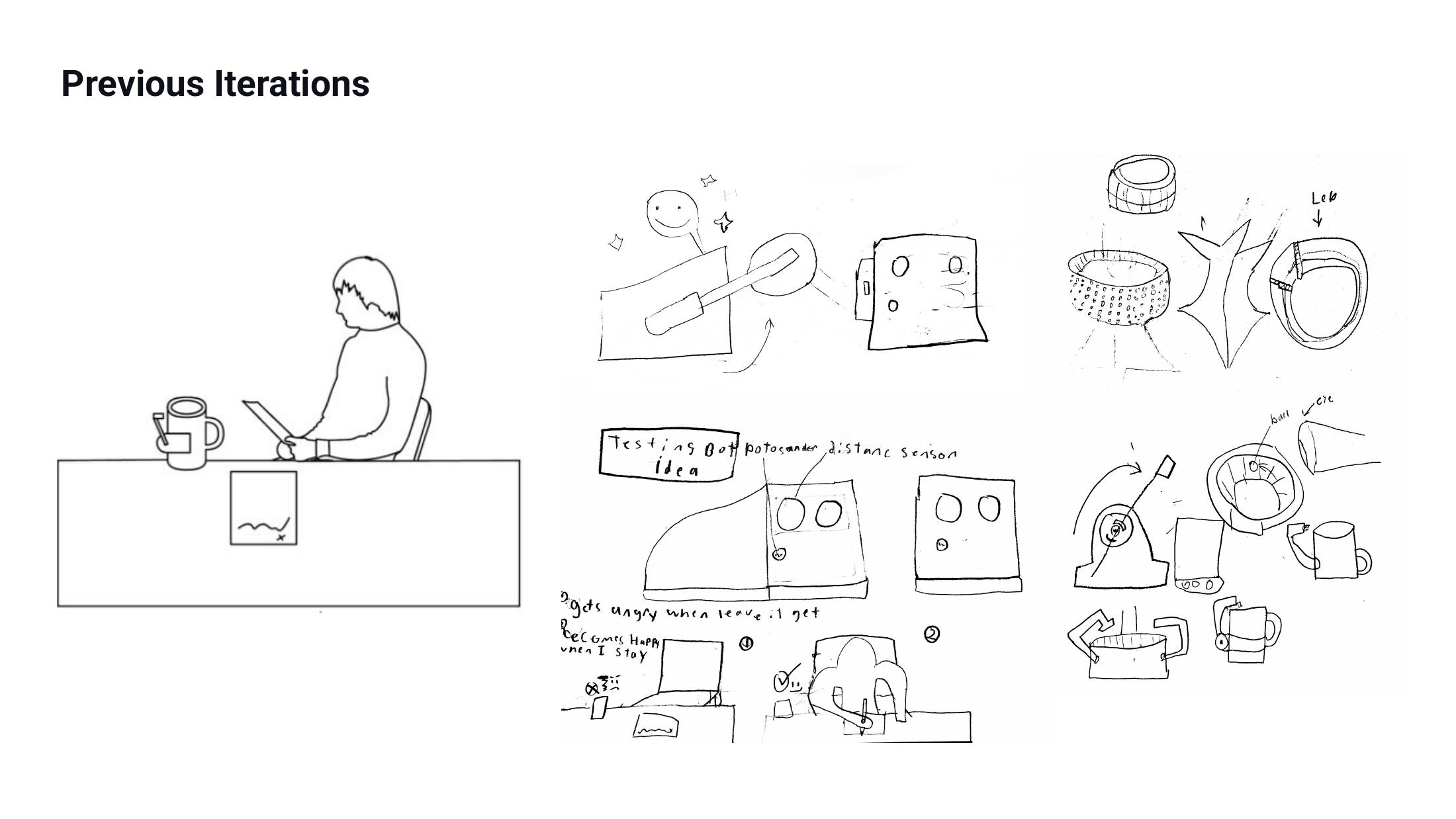
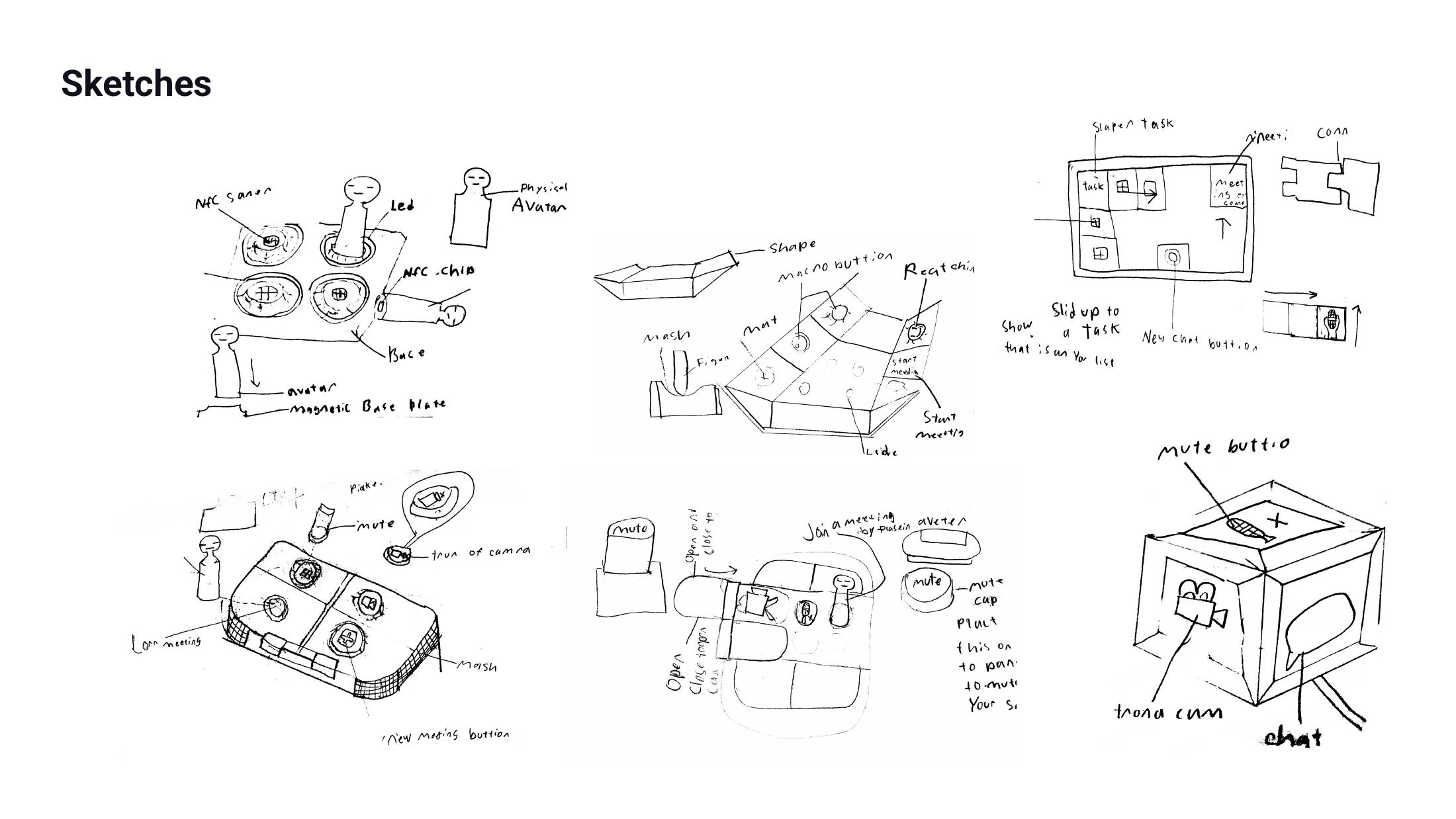
Research focused on adapting Zoom for clearer communication and breaking the monotony of screen-based learning through physical add-ons. Early sketches explored multiple arrangements, gestures, and interfaces, looking for a productive middle ground between the computer screen and tangible interaction.
Electronics experiments
Research focused on adapting Zoom for clearer communication and breaking the monotony of screen-based learning through physical add-ons. Early sketches explored multiple arrangements, gestures, and interfaces, looking for a productive middle ground between the computer screen and tangible interaction.Arduino experiments tested how sensors and programmable shortcuts could trigger familiar Zoom commands. Photoresistors, buttons, and keyboard macros became the technical foundation for turning ordinary interface actions into physical interactions.


Form development
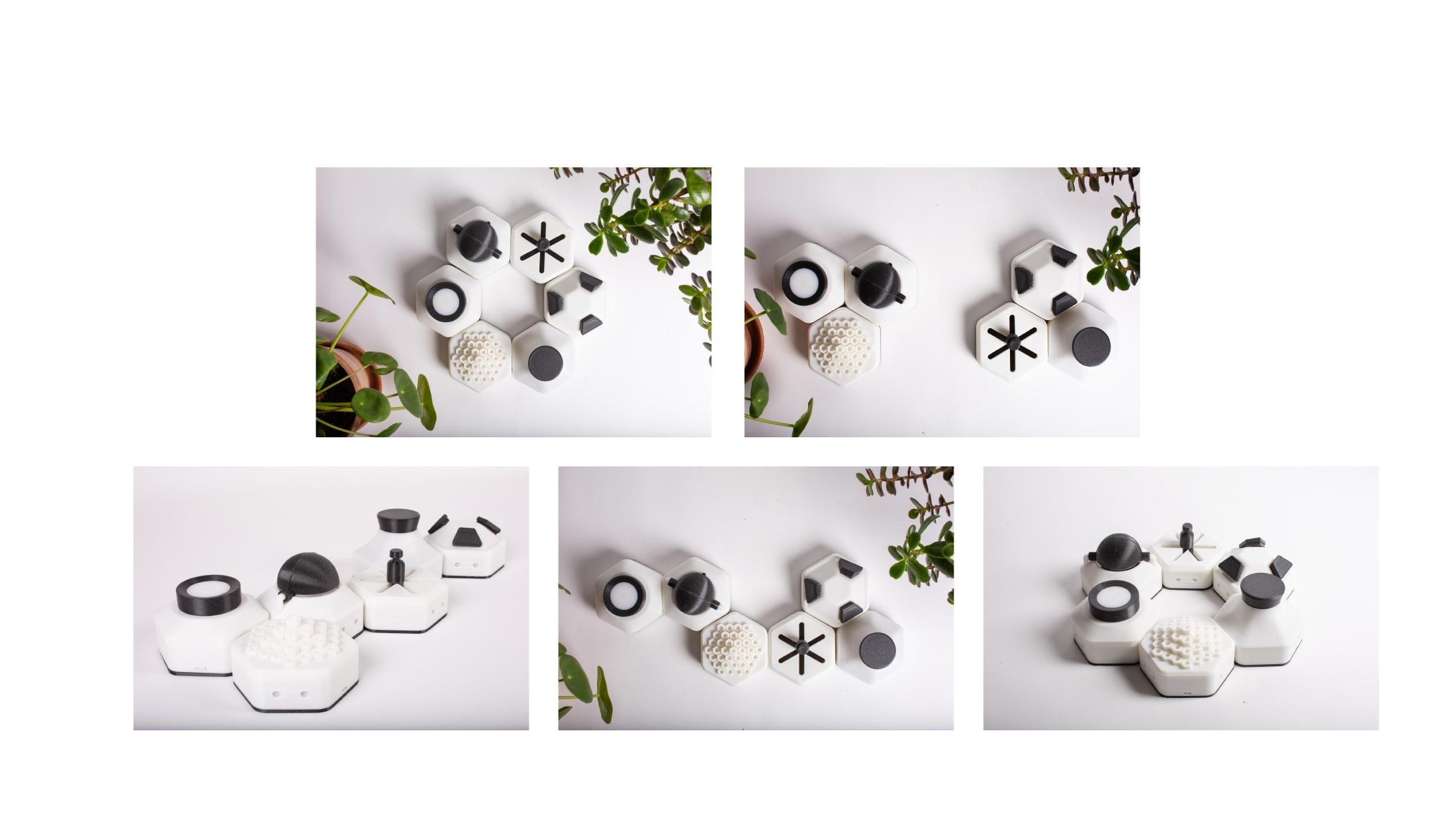
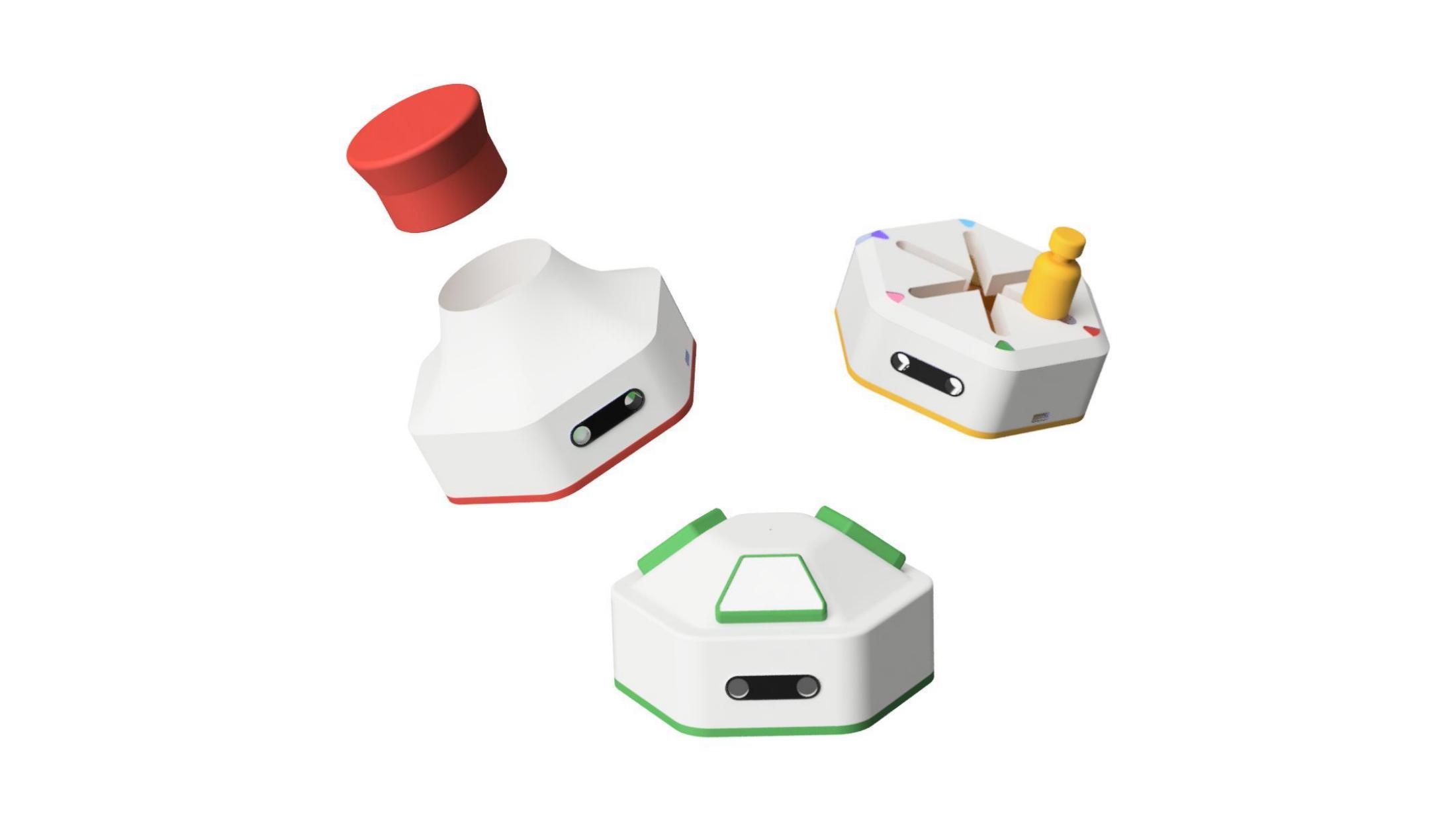
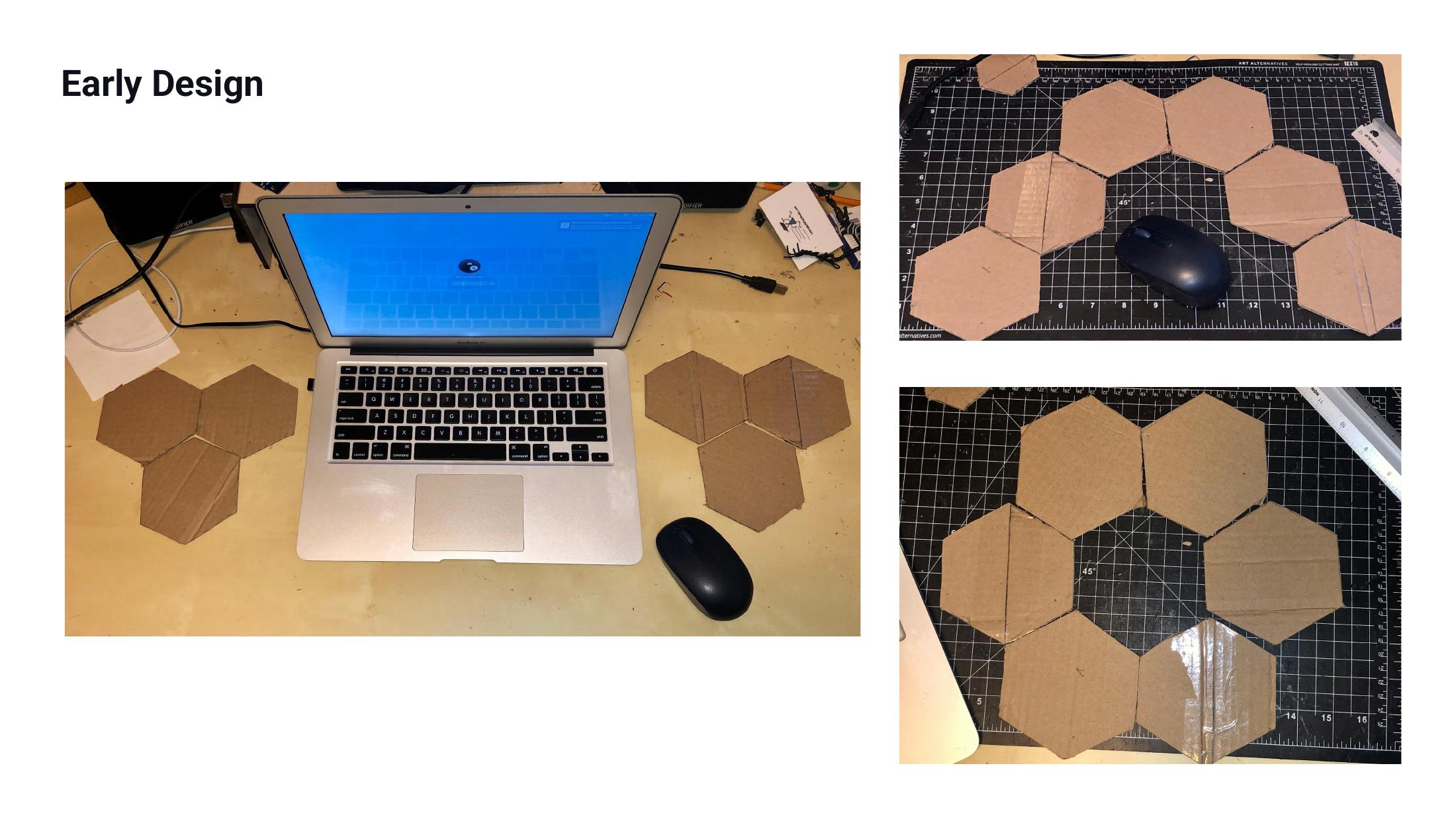
Successive cardboard models, Fusion 360 studies, and 3D prints refined a family of compact hexagonal modules. The design uses magnets, cork, an Arduino, and interchangeable top pieces to create controls that feel distinct while belonging to one system.


Final System
The final proposal is a modular set of tactile controls for camera, mute, chat, breakout rooms, lighting, and scheduling. Each function has its own color, shape, and physical action, transforming repetitive on-screen tasks into a more active and personalized learning experience.