A Better Way to Move
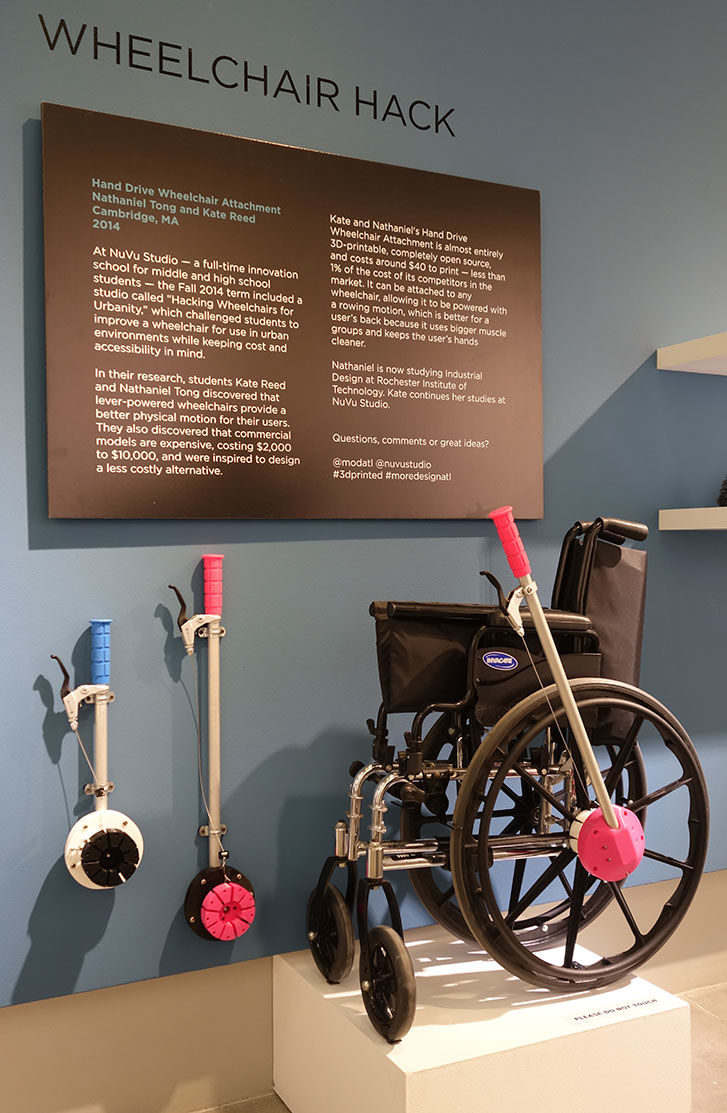
Manual wheelchair users typically propel themselves by gripping and pushing the wheel rims. Lever-powered chairs offer another approach: a rowing-like motion that engages different muscle groups and keeps the user’s hands away from wheels that contact the ground.
When the NuVu team researched existing lever-powered wheelchairs, however, they found products costing between $2,000 and $10,000. They began with a direct question: could the advantages of lever propulsion be offered through an affordable attachment instead of an entirely new wheelchair?
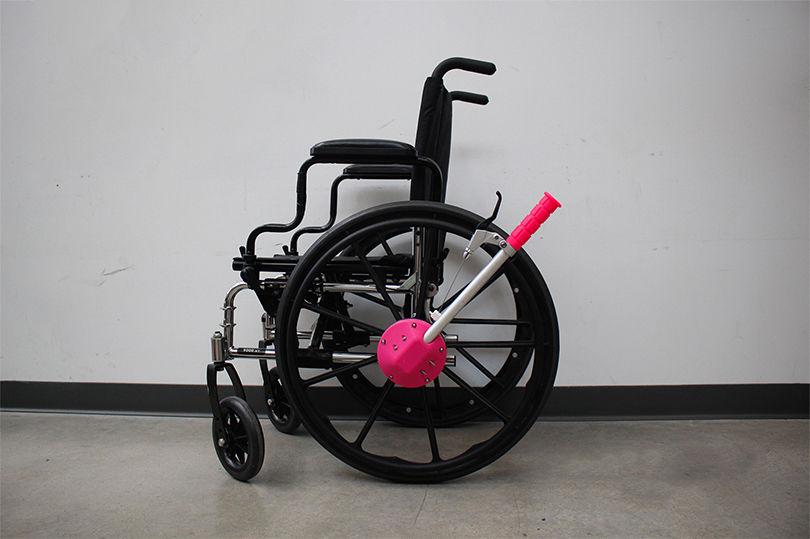
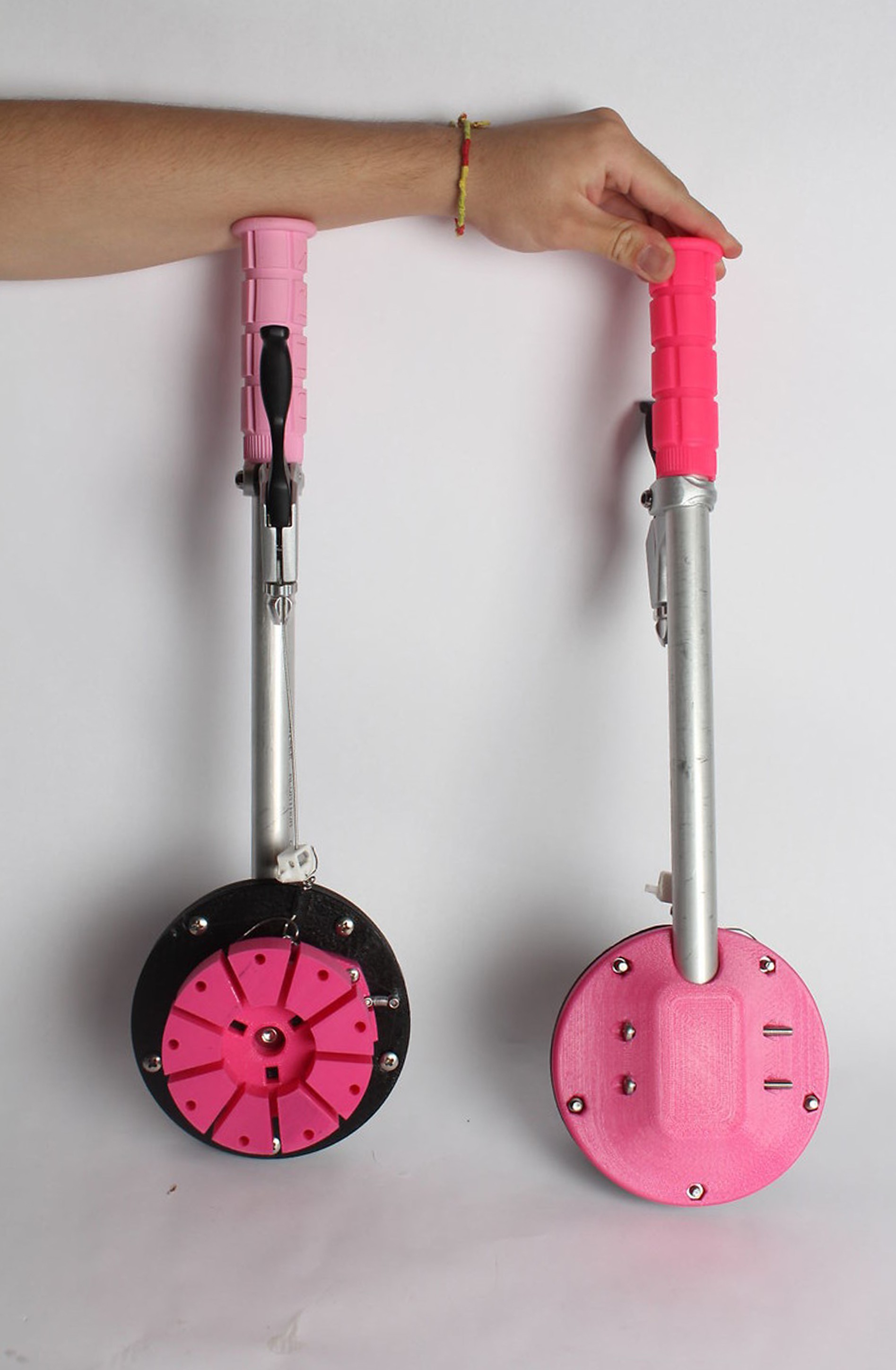
Hand Drive grew from that challenge—a removable mechanism intended to make lever propulsion more adaptable, accessible, and economical.
Designing From Lived Experience
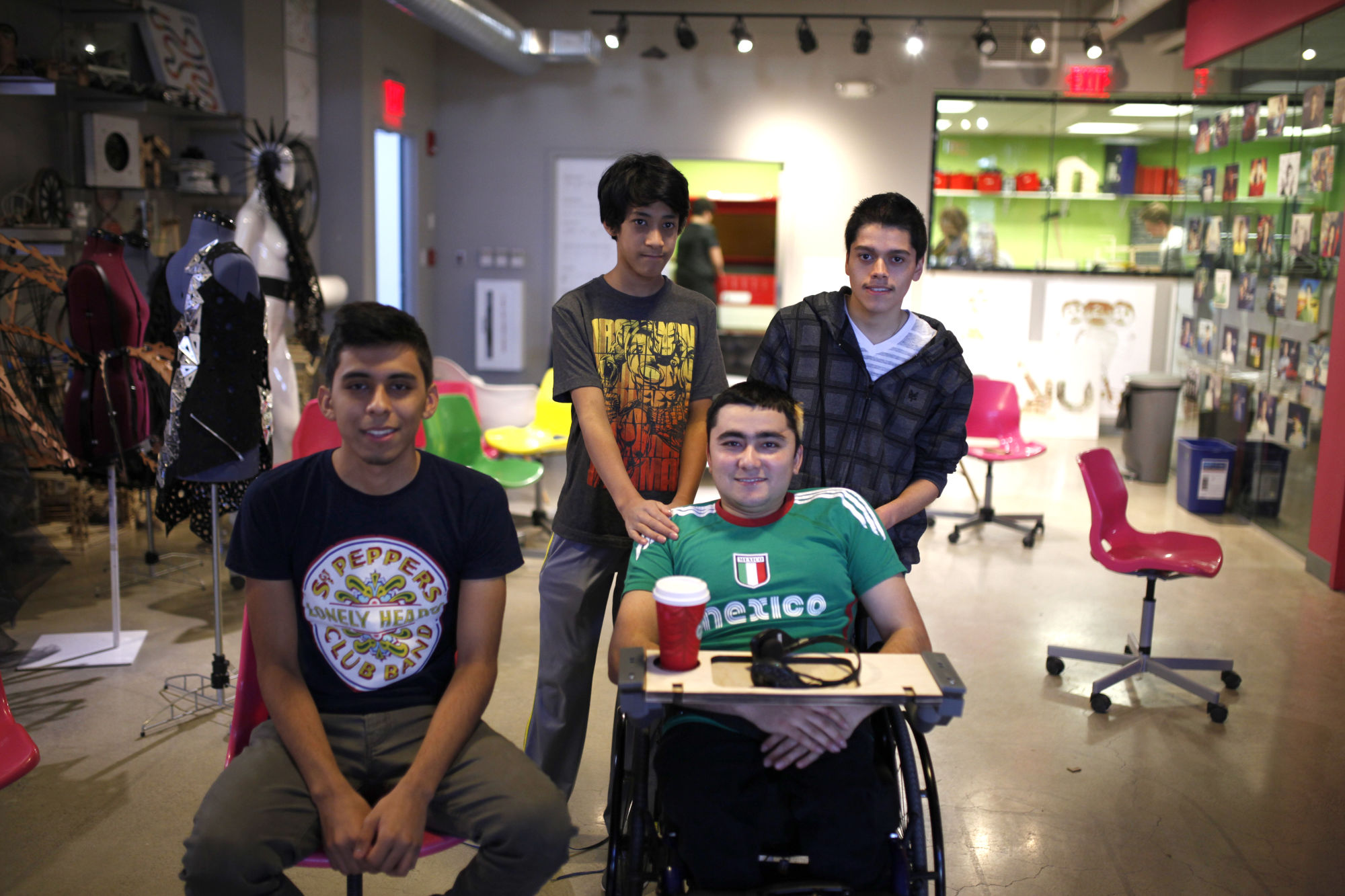
Hand Drive emerged from NuVu’s wheelchair-hacking studio, where students worked alongside Mohammad Sayed to improve his everyday mobility.
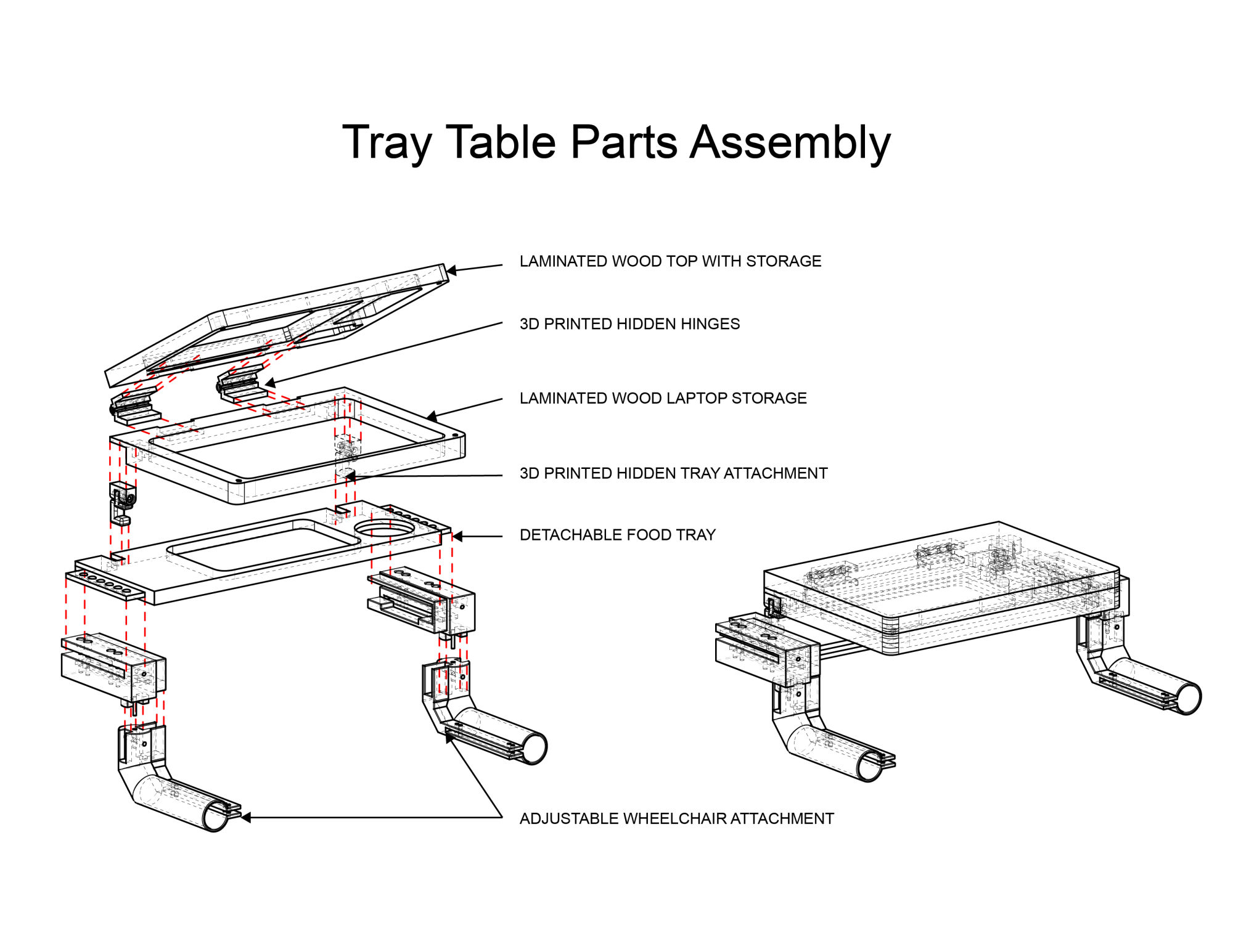
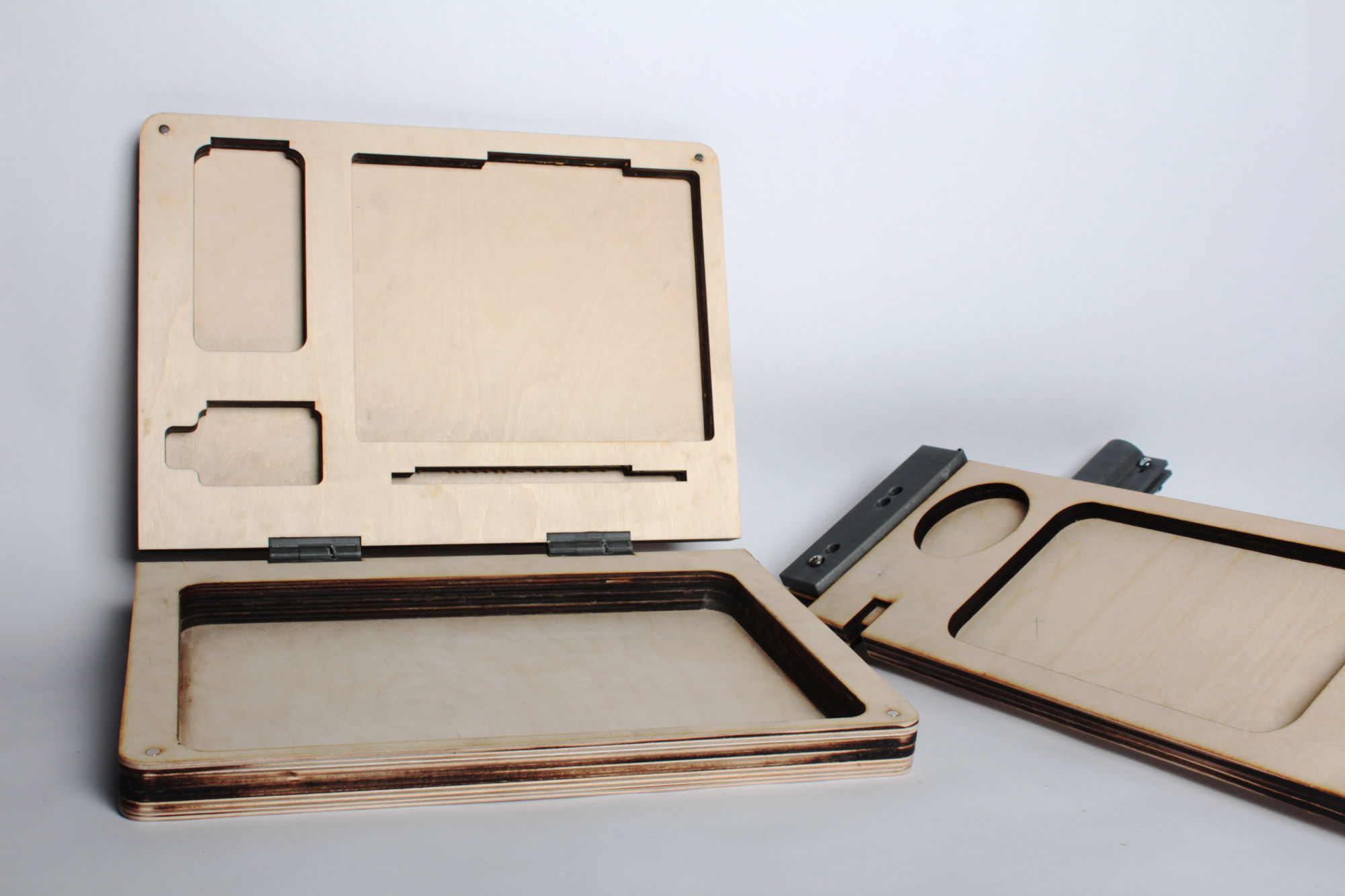
Mohammad had already begun imagining additions that would make his wheelchair more useful, from a laptop tray and cup holder to a camera mount and rain canopy. Those ideas became the Universal Arm, a modular system that could support different accessories.
The same user-led approach shaped Hand Drive. Instead of treating wheelchair users as an abstract audience, the students had someone on the team who could test assumptions immediately. Mohammad could identify whether a mechanism was comfortable, whether it interfered with the chair, and—most importantly—whether it provided the control a user actually needed.
Learning Through Prototypes
The mechanism did not work on the first attempt.
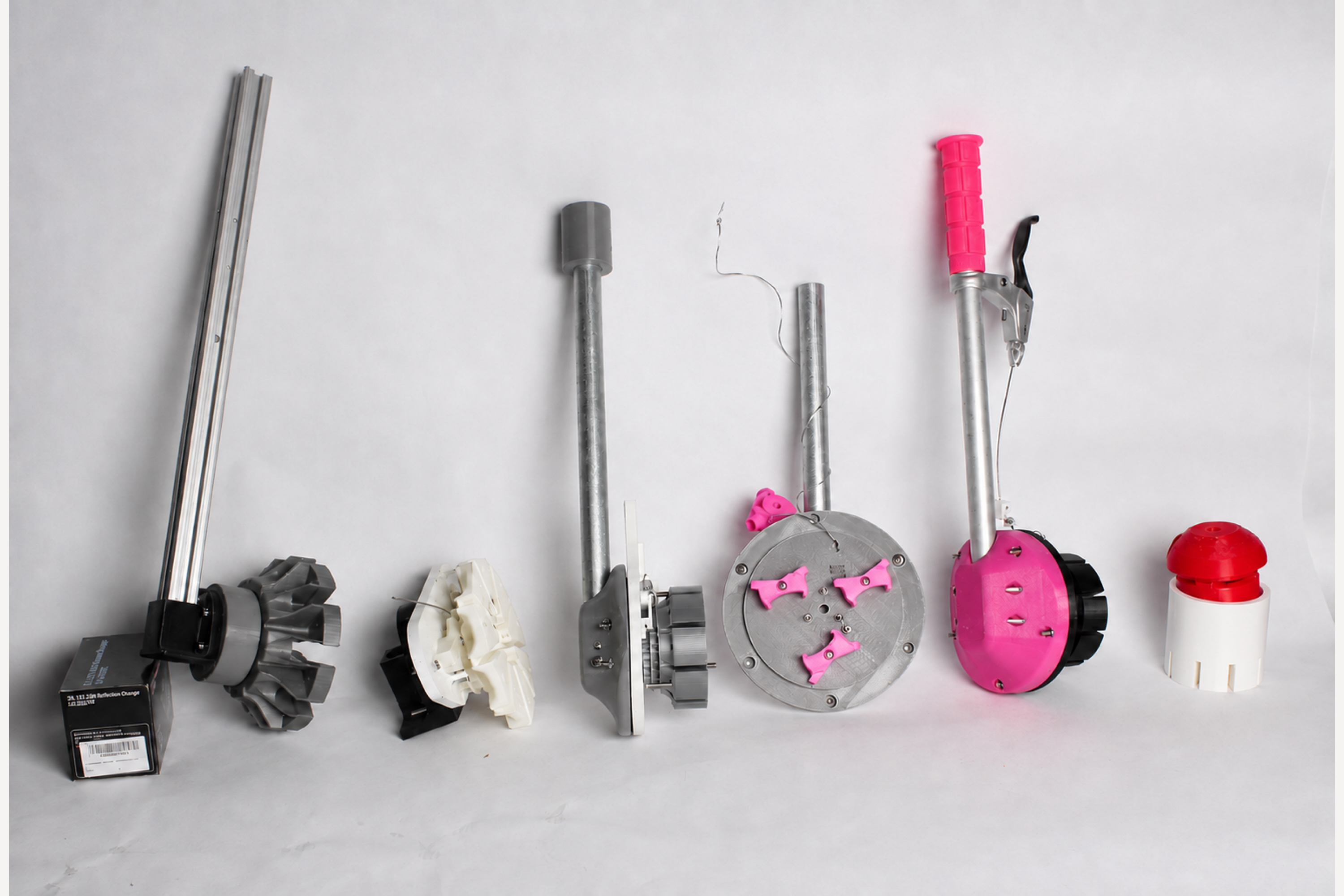
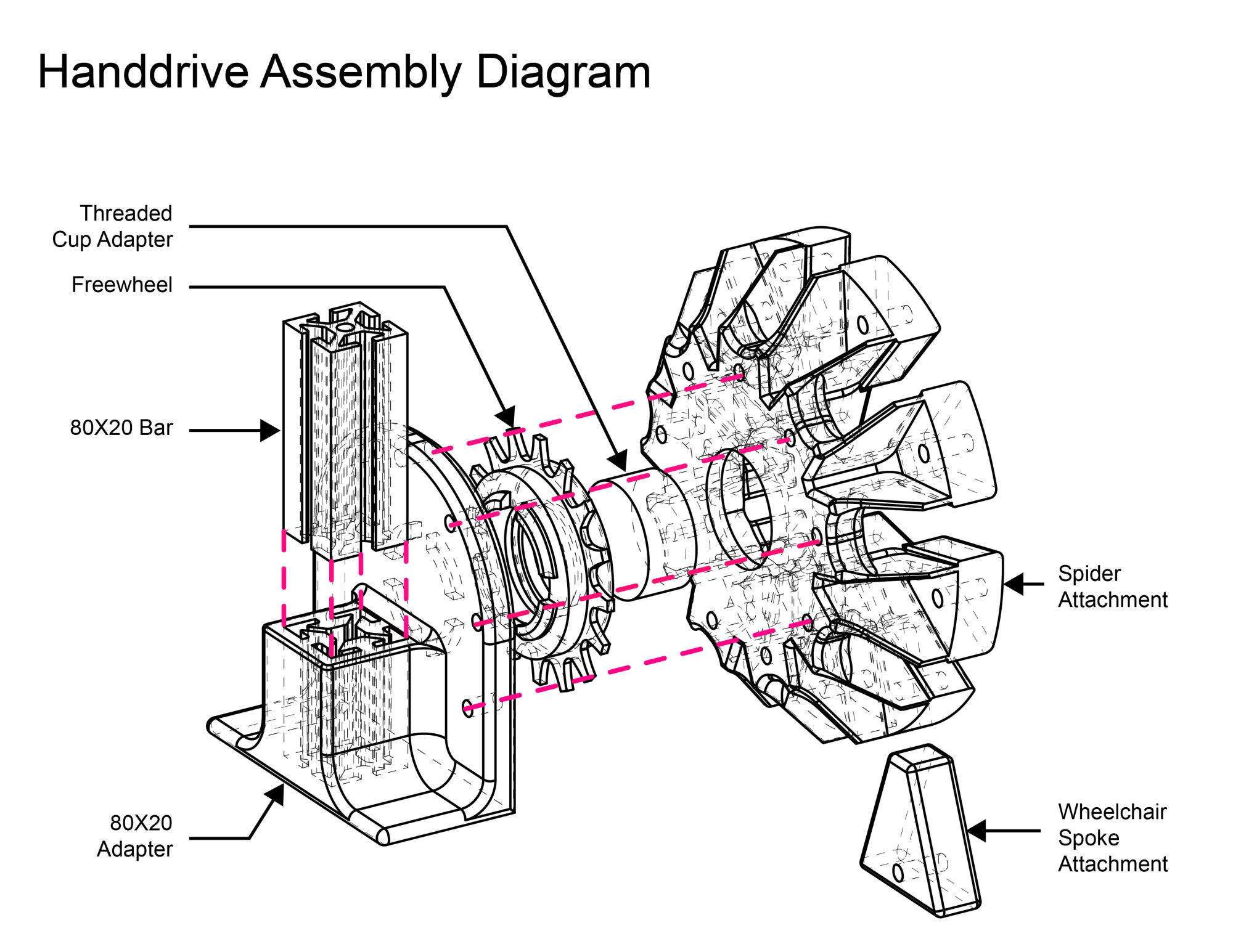
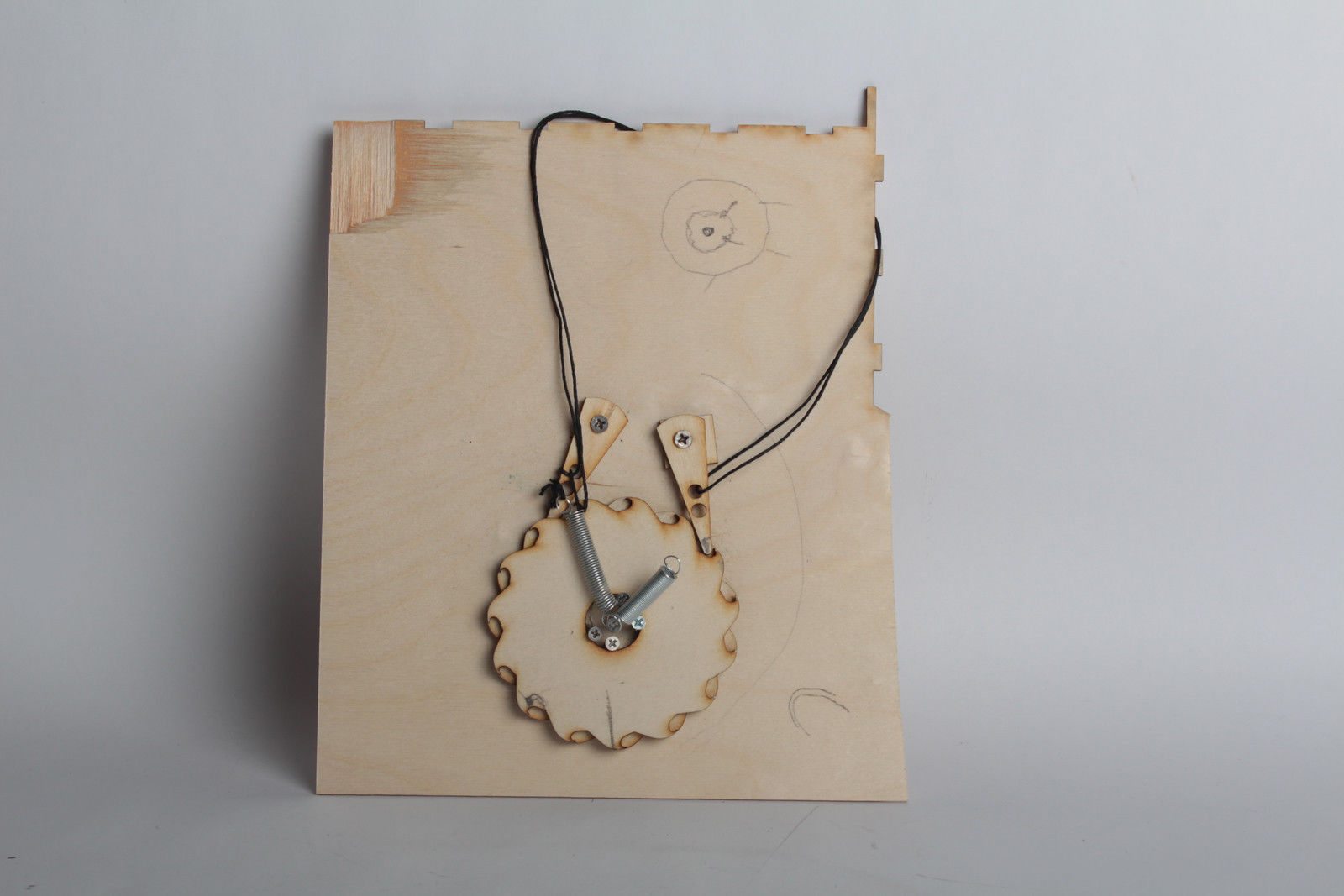
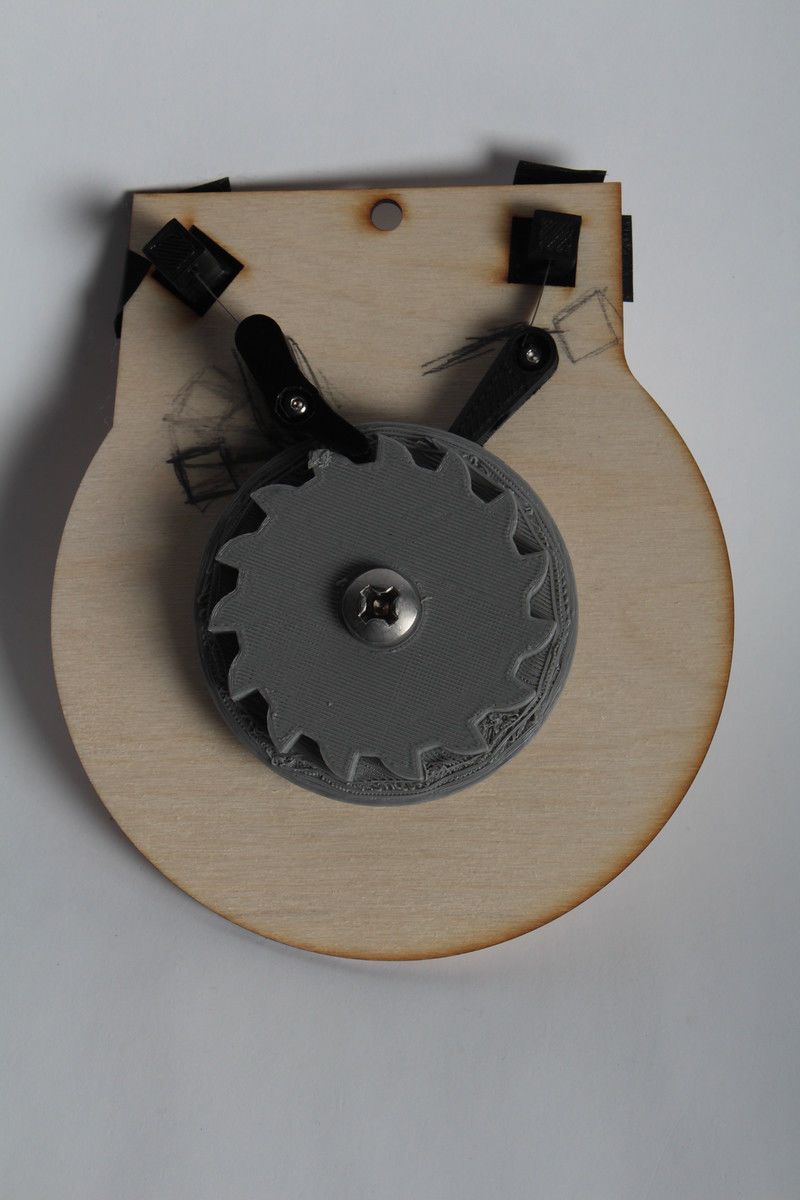
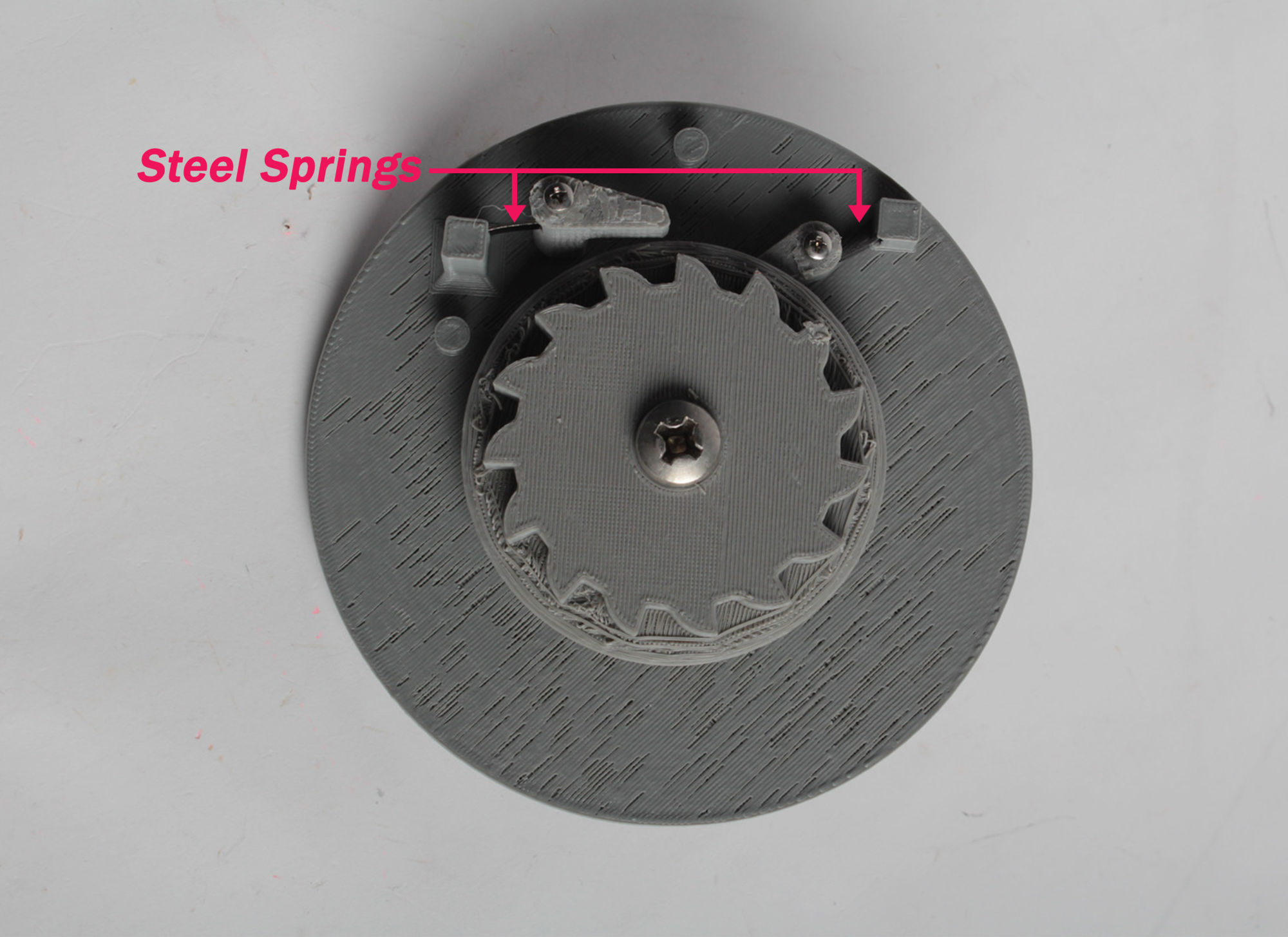
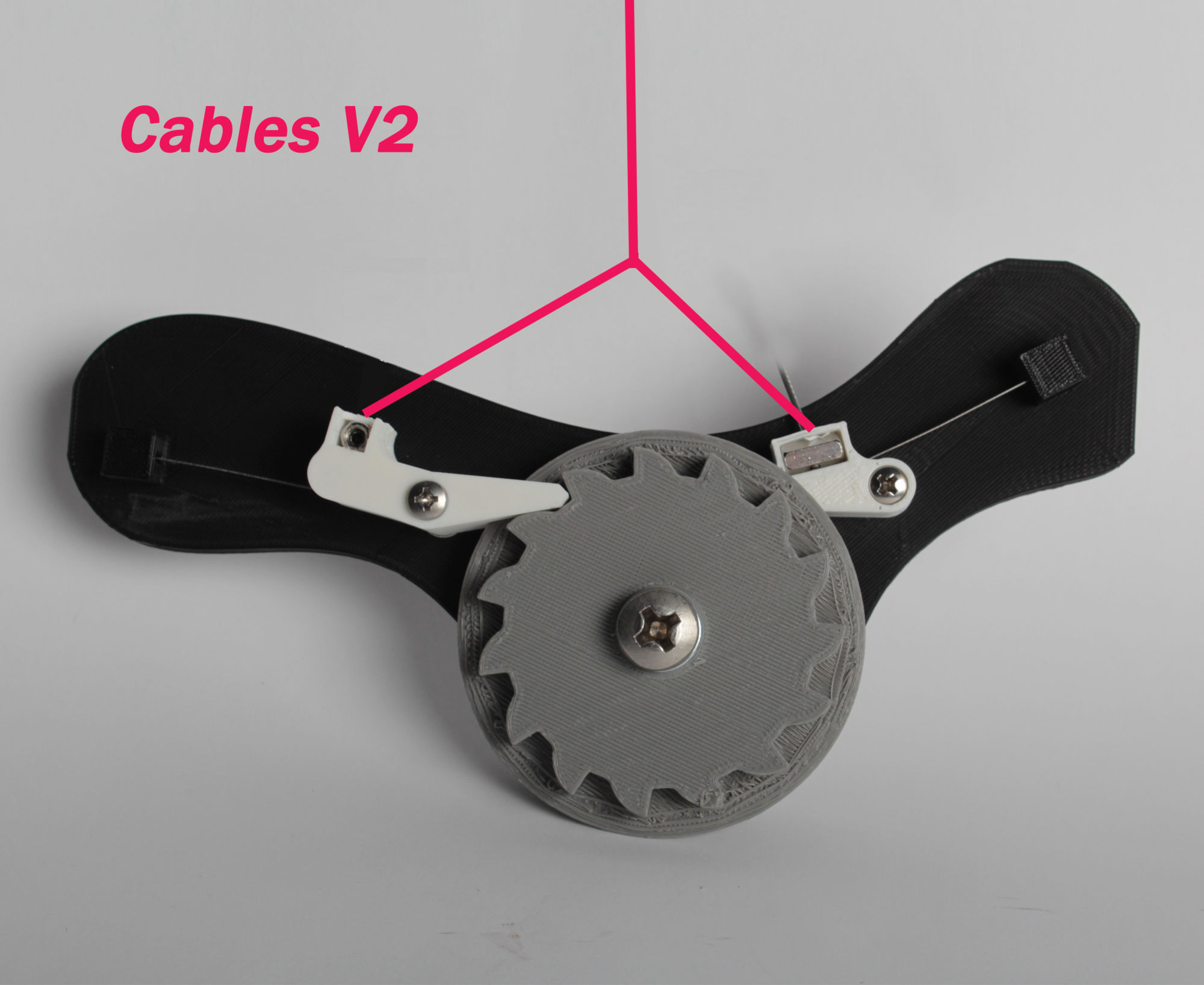
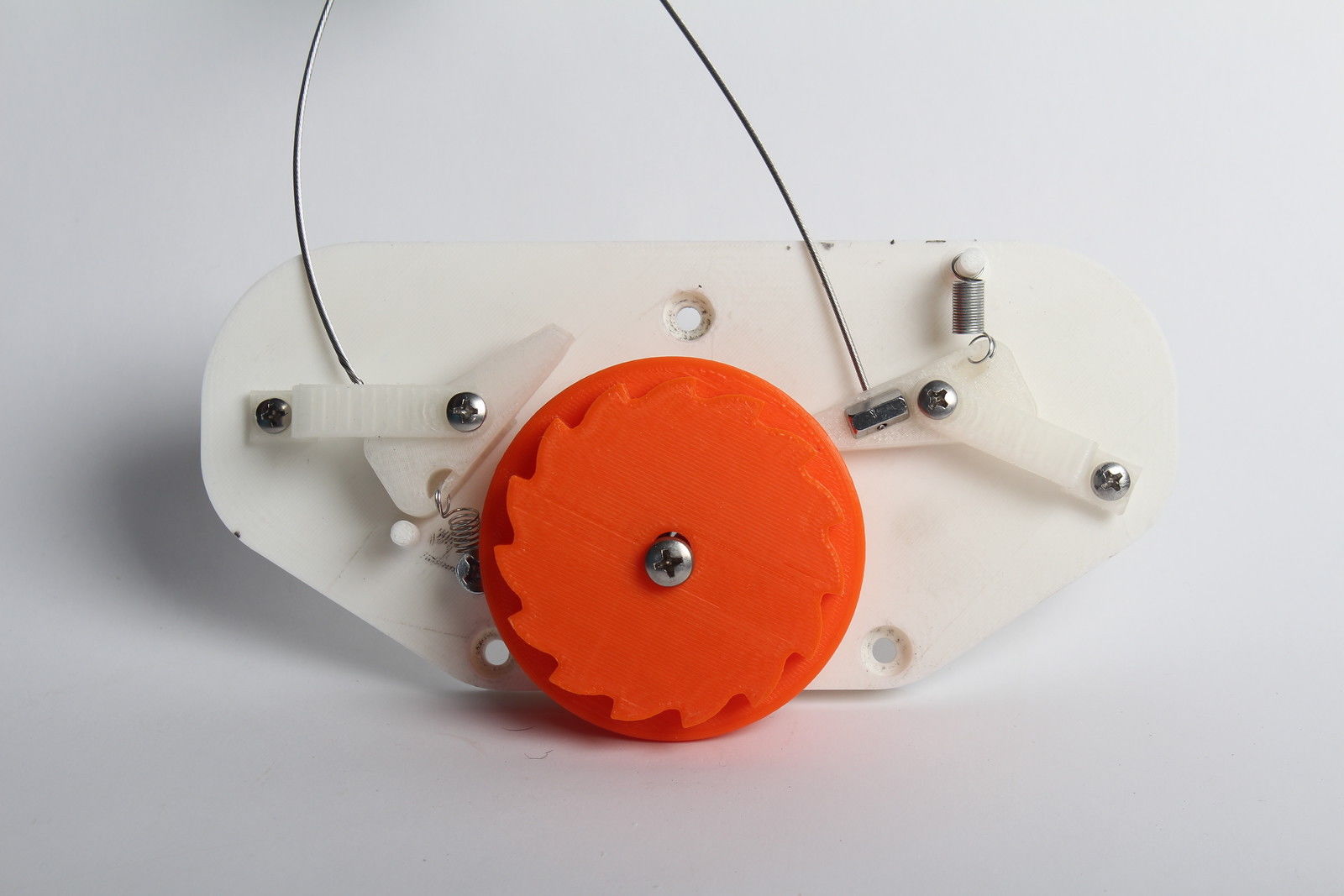
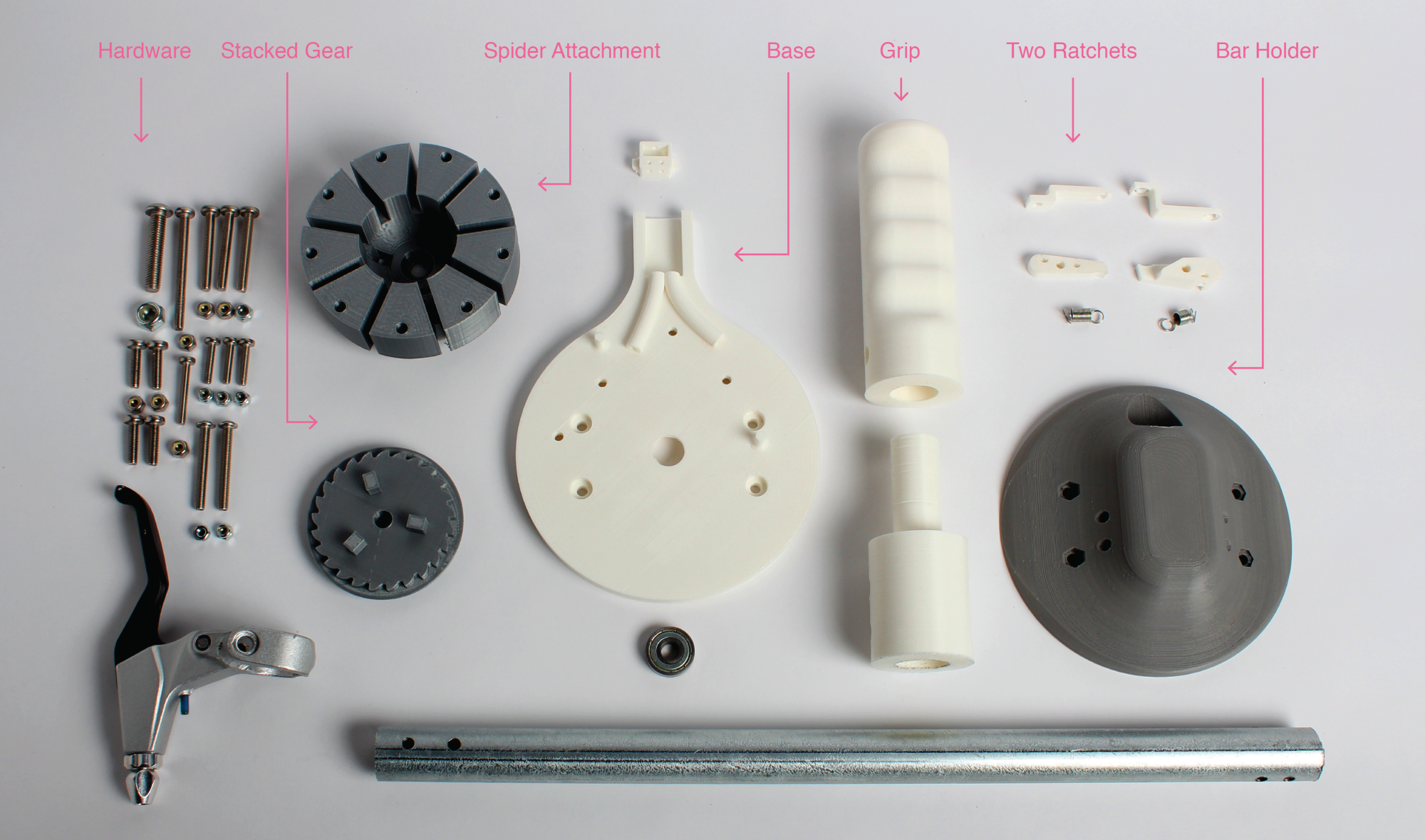
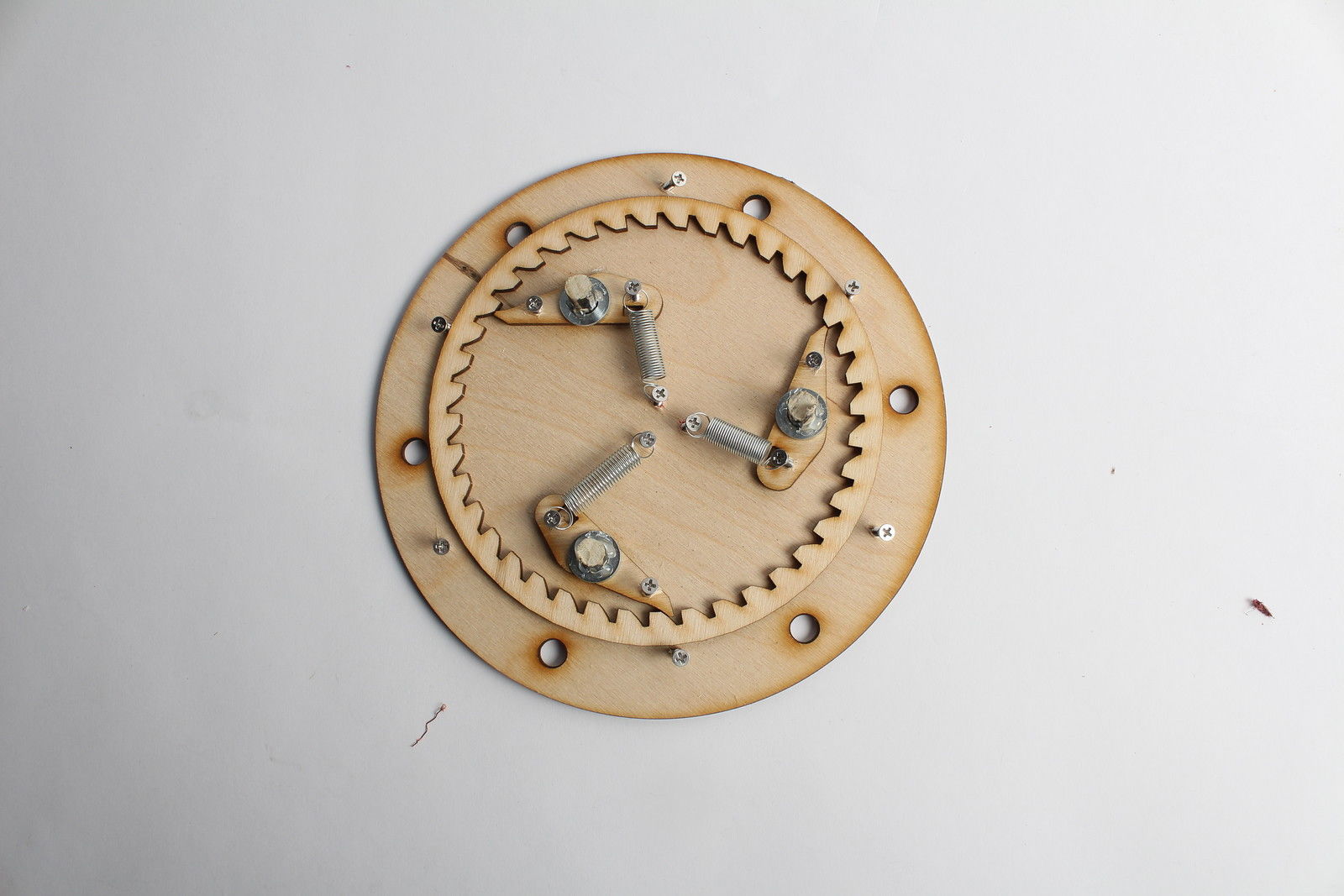
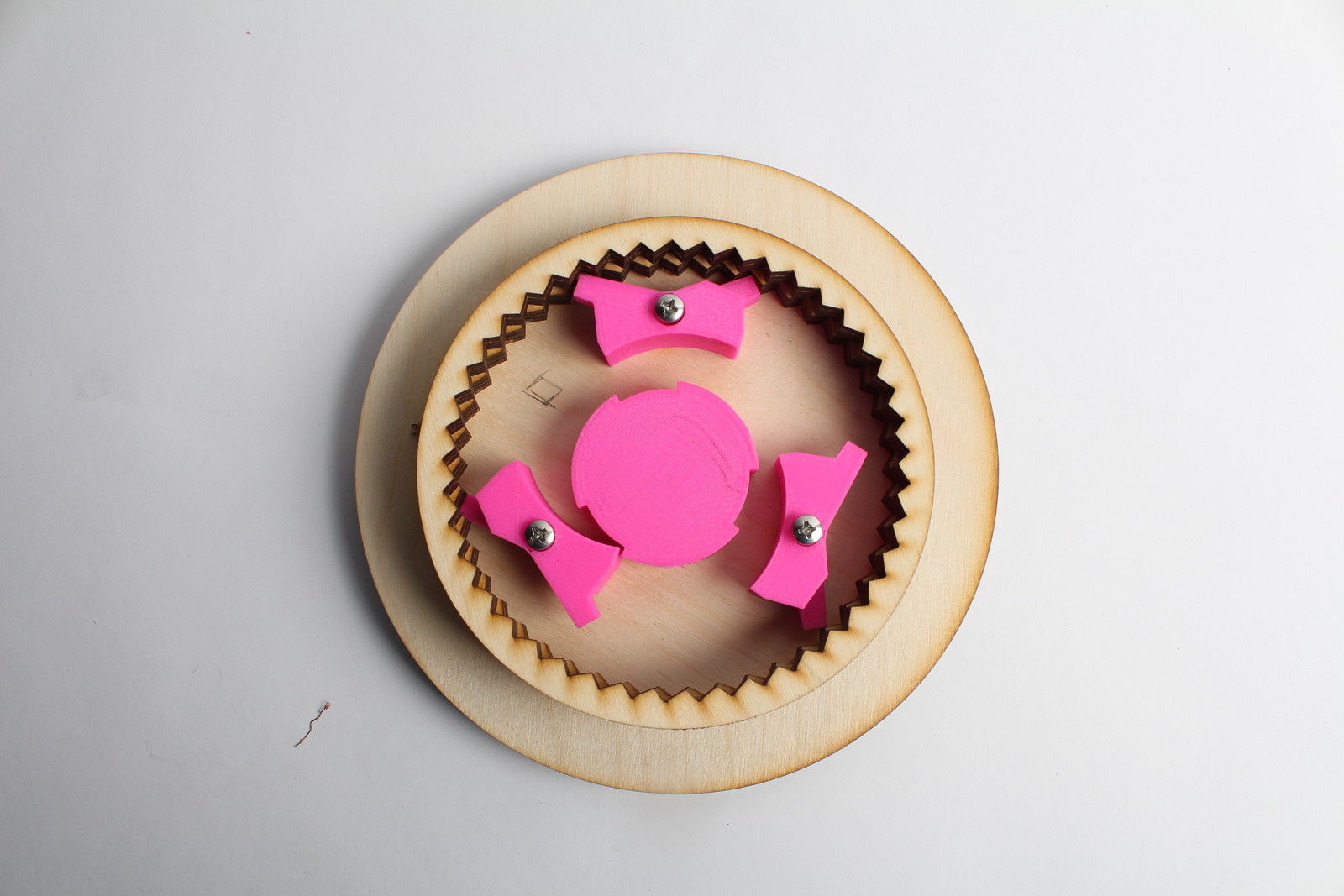
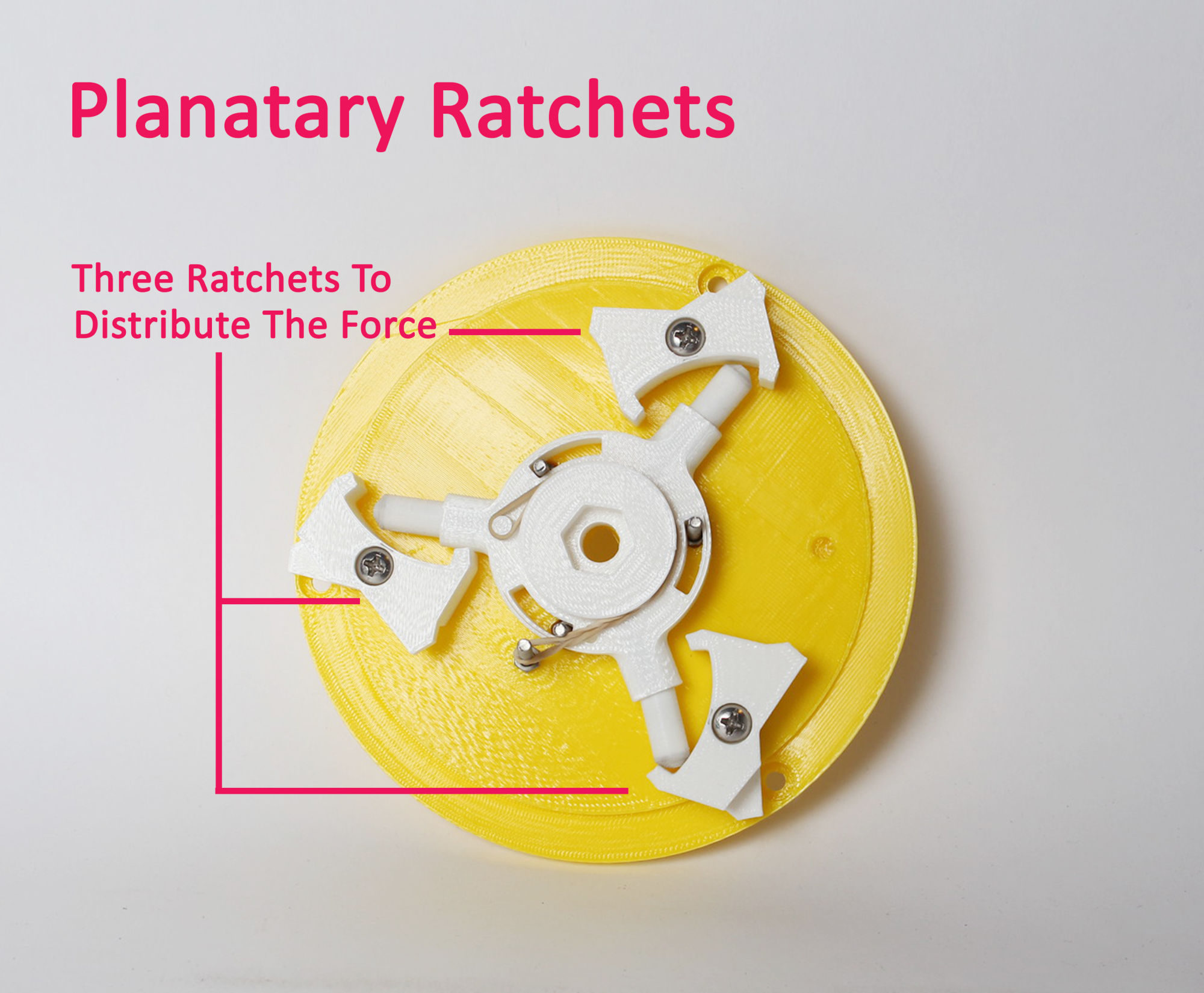
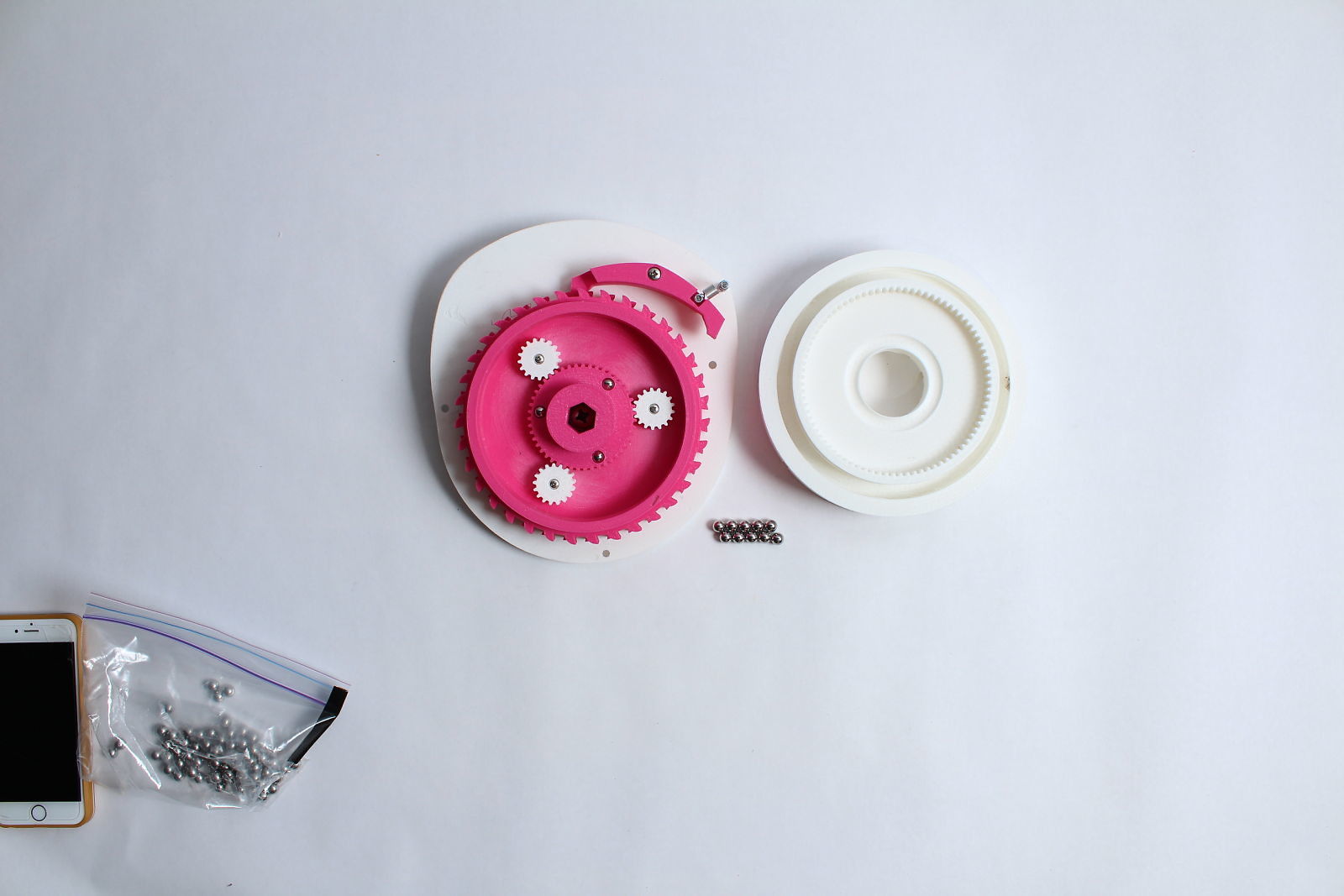
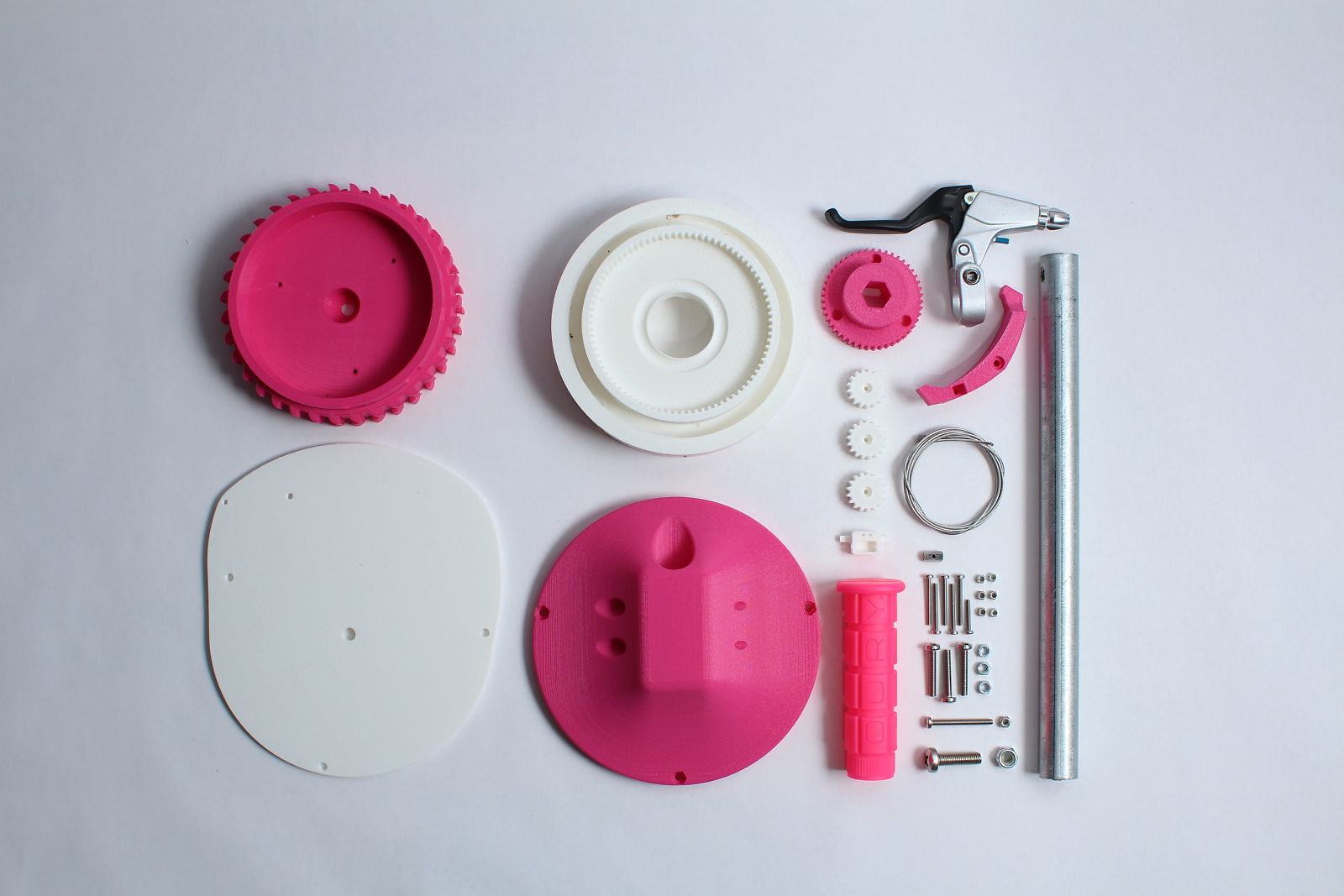
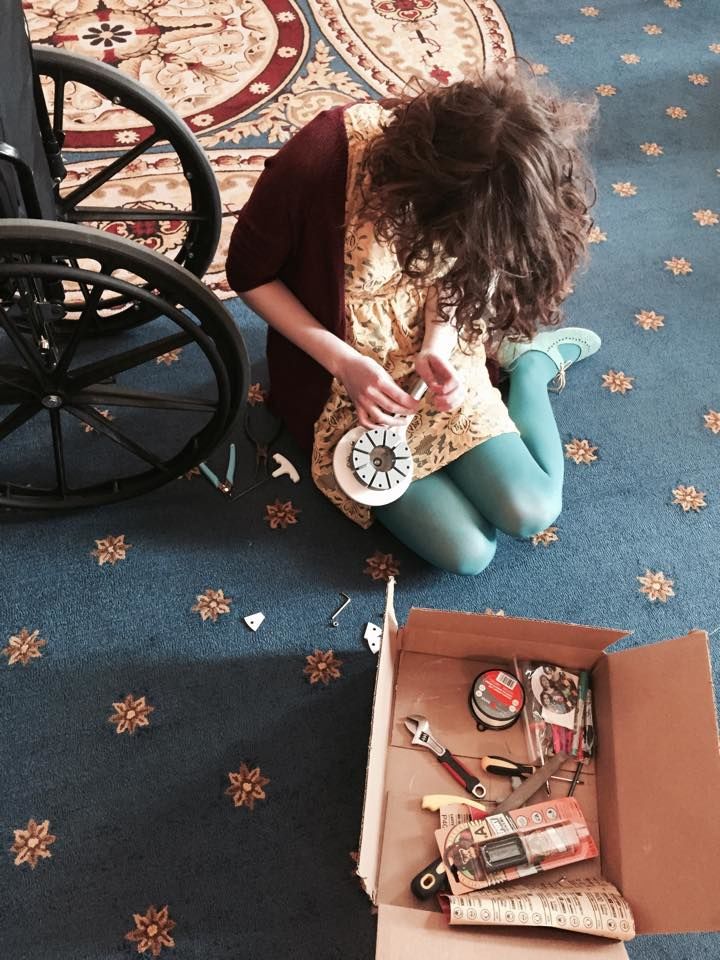
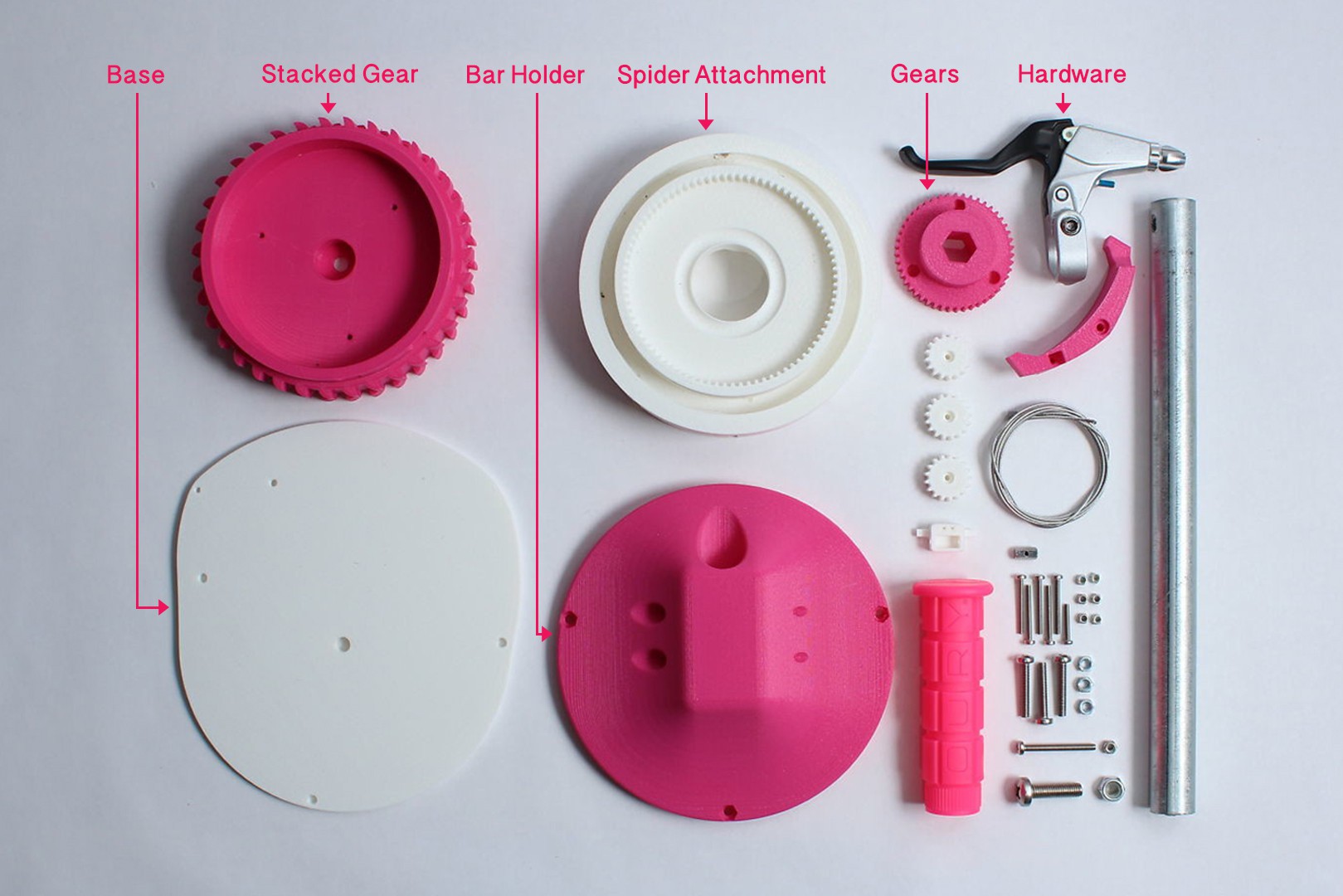
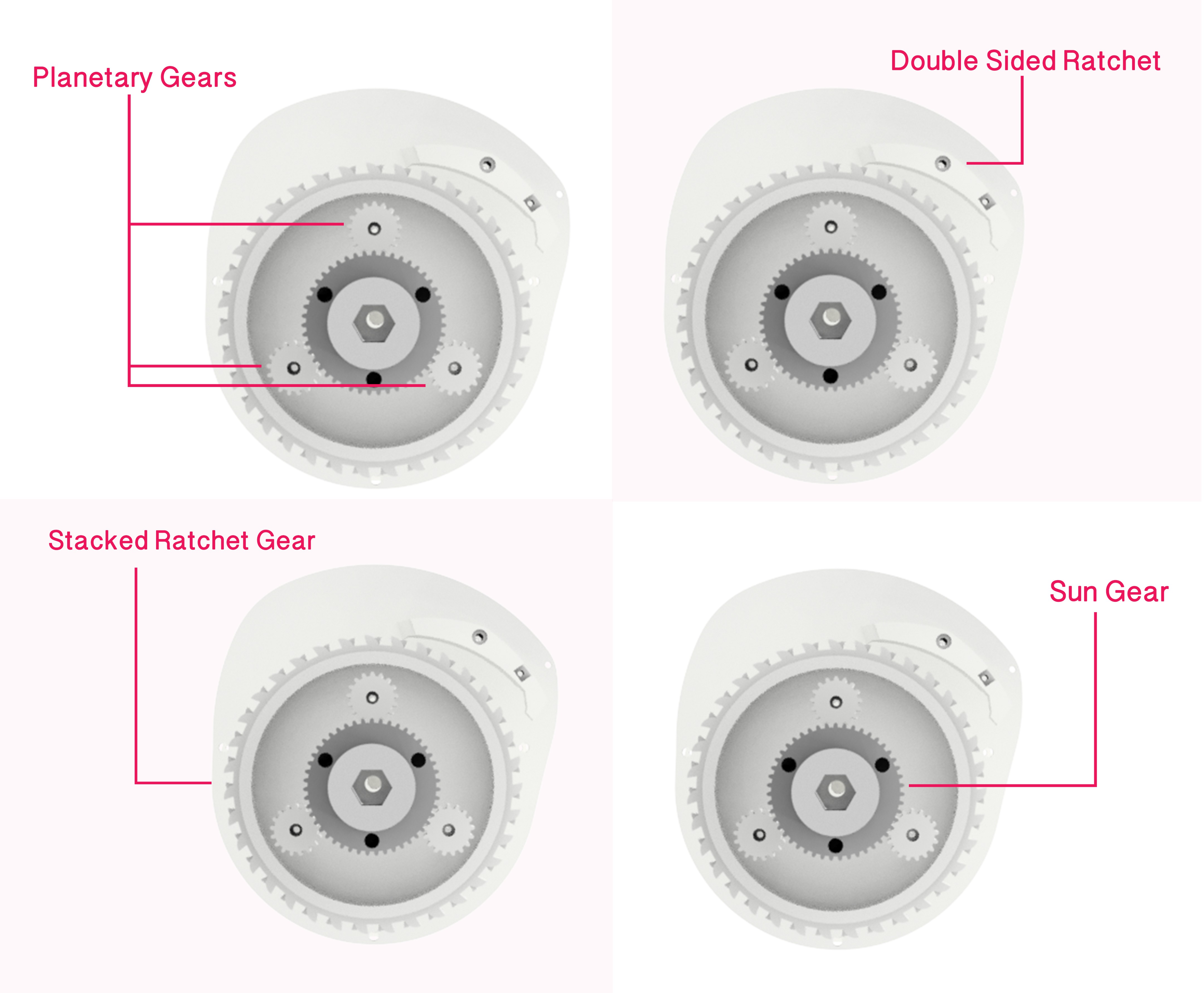
The team initially experimented with bicycle freewheel components. That approach could produce forward motion, but it did not adequately solve reverse travel or coordinated control of both wheels. The students then began developing their own system using stacked gears, opposing ratchets, springs, and a central directional control.
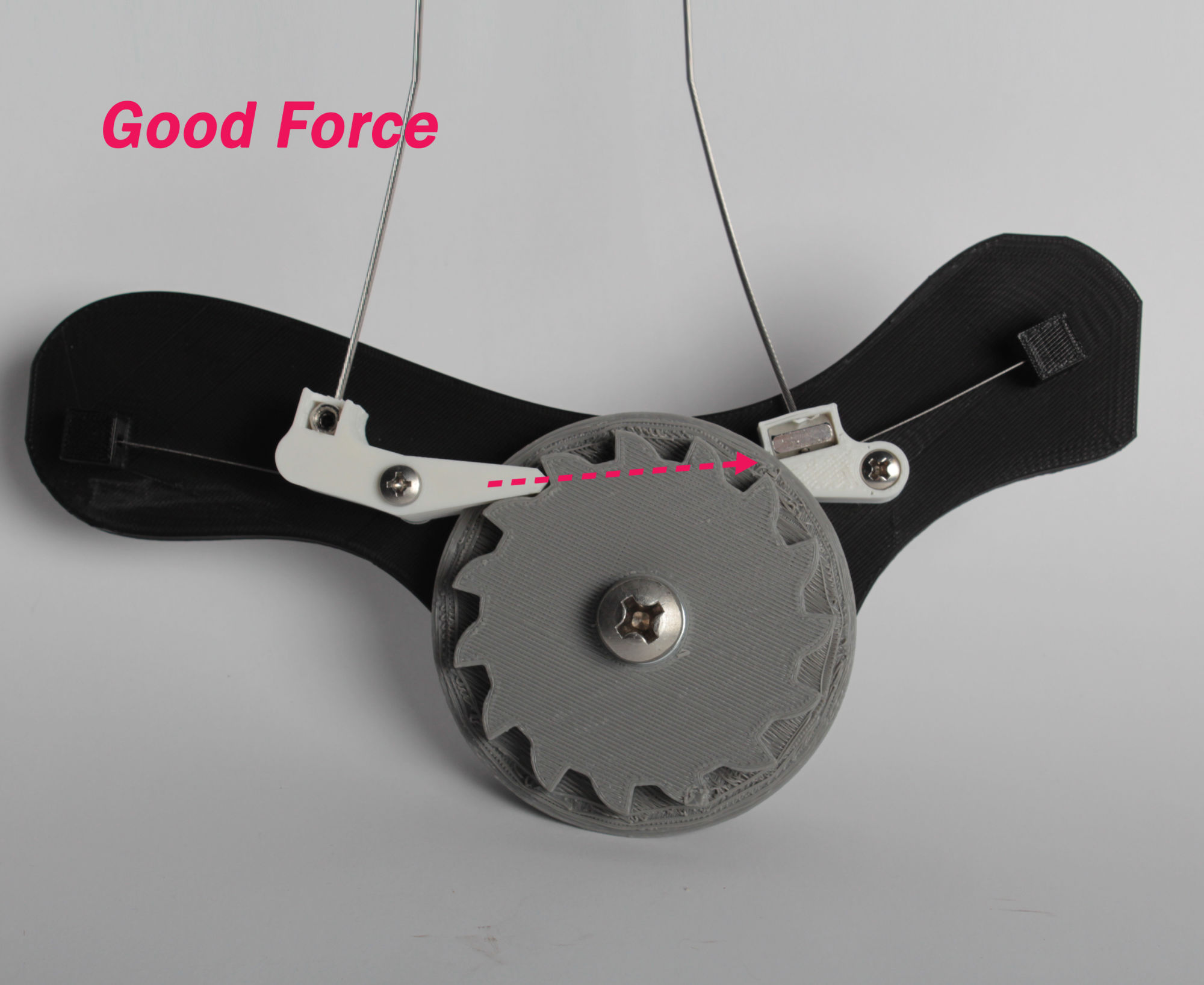
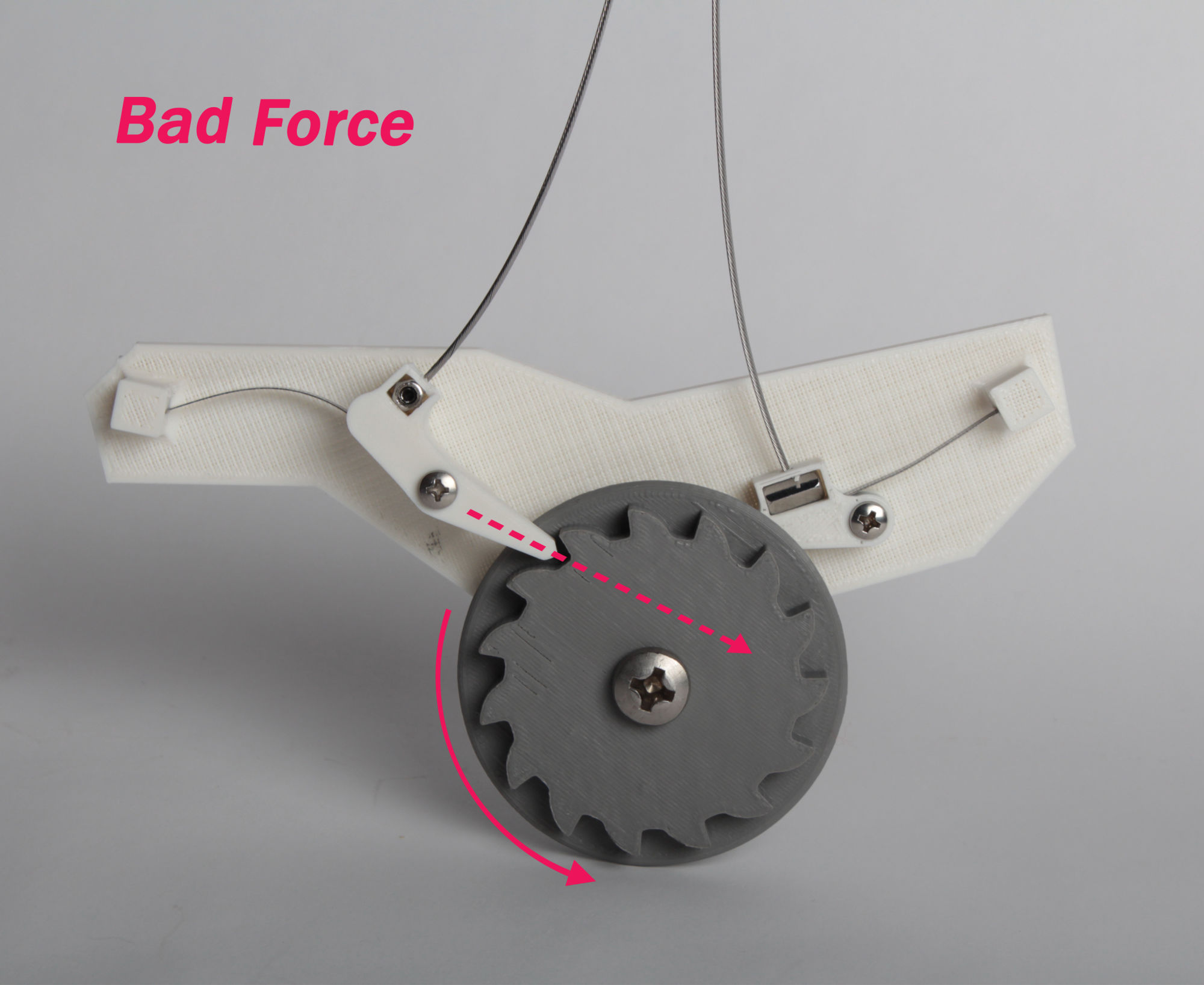
Each prototype exposed another issue: two identical sides were accidentally fabricated, ratchets locked against one another, gears failed to engage correctly, and concentrated forces made individual components vulnerable to breaking.
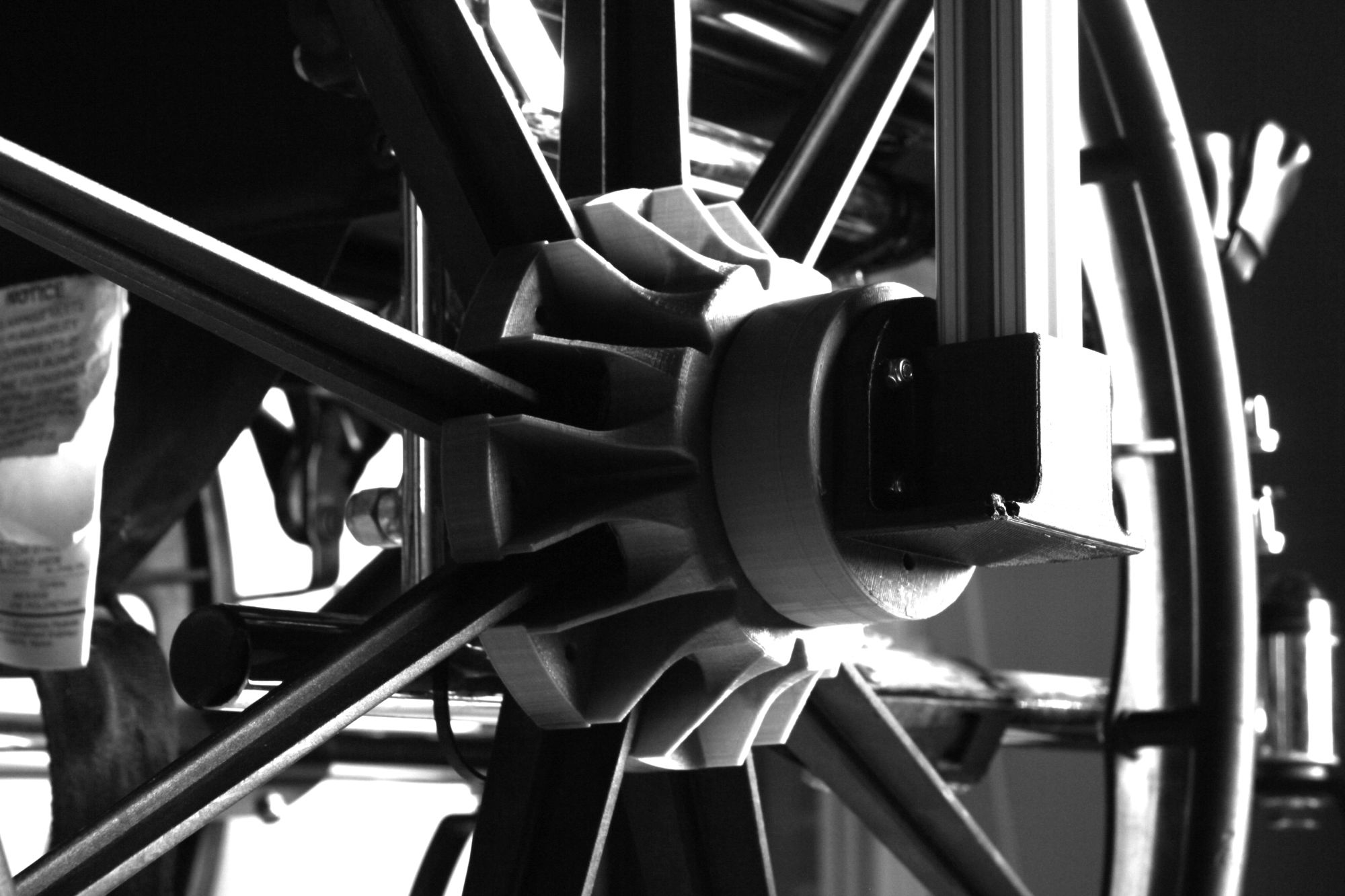
Rather than hiding those mistakes, the students used them to determine what the next version needed to do. The eventual planetary-ratchet design distributed force across several contact points and grew out of at least five major iterations.
When the Prototype Broke at the White House
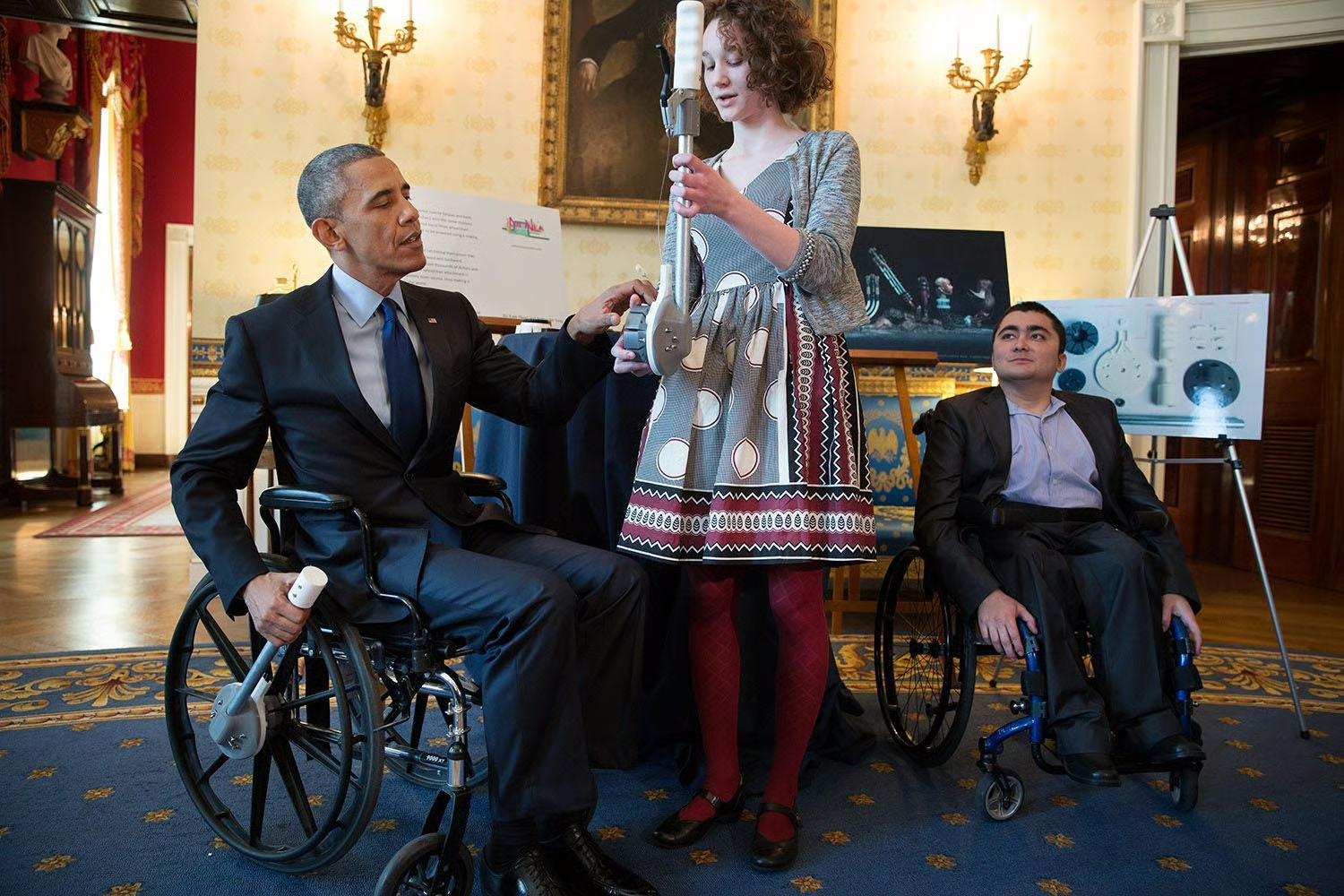
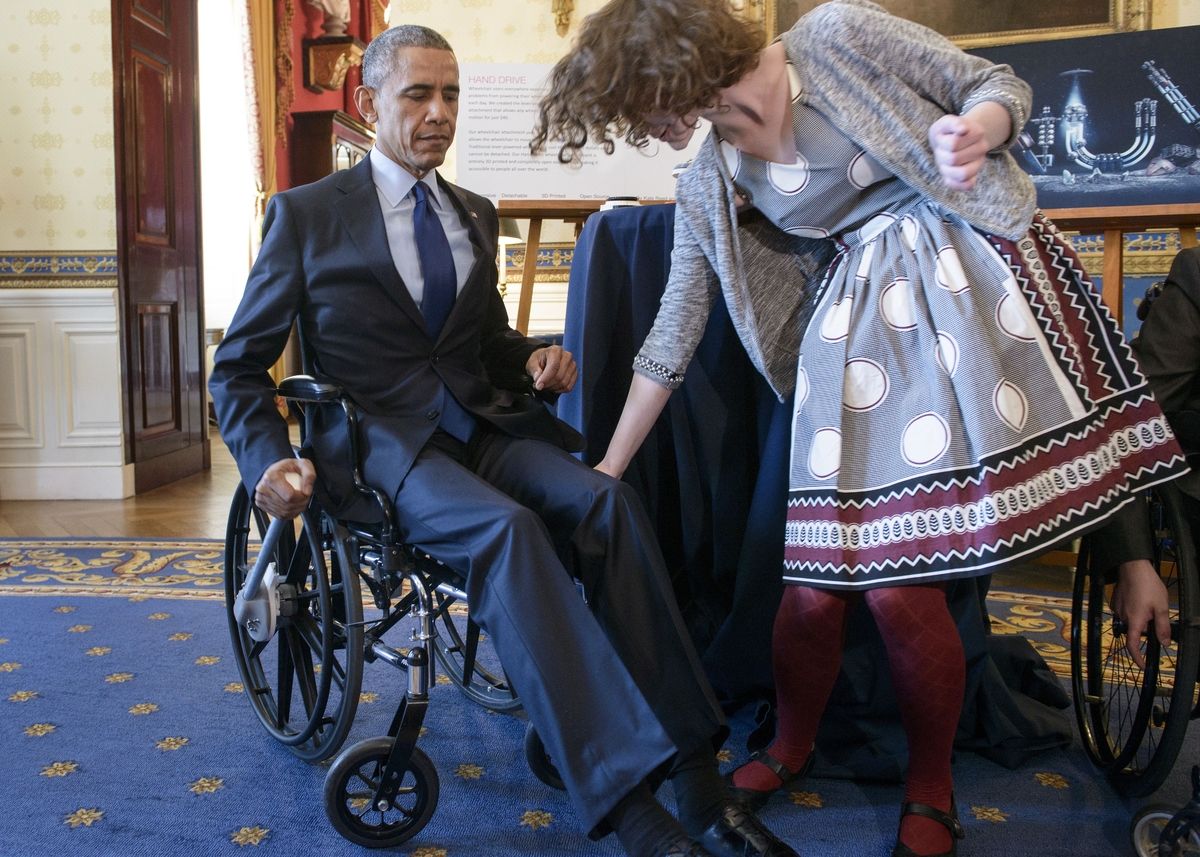
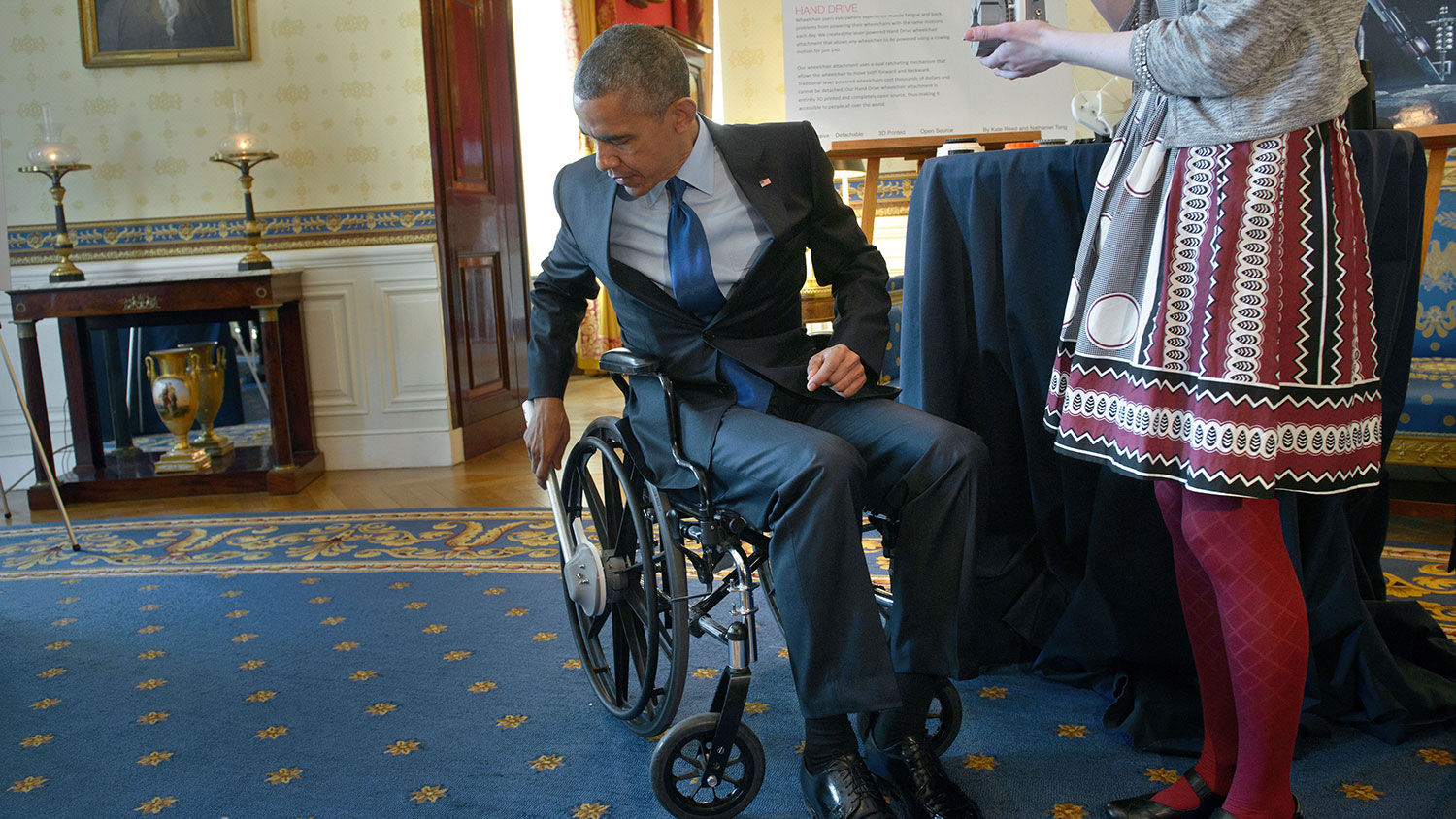
In March 2015, Kaitlin “Kate” Reed and Mohammad Sayed presented their wheelchair innovations at the Fifth White House Science Fair. Kate demonstrated Hand Drive to President Barack Obama while Mohammad presented the Universal Arm.
During the event, a Hand Drive component broke when the wheelchair brake remained engaged and excessive force was transferred to one ratchet. It was an unusually public failure—but also a valuable stress test.
The team already knew that concentrating force on a small number of components was a weakness. After returning from Washington, they redesigned the mechanism to distribute the load more effectively. The moment became a vivid example of NuVu’s design process: prototypes are not models of perfection; they are tools for discovering what must improve.
Affordable, Adaptable, and Open Source
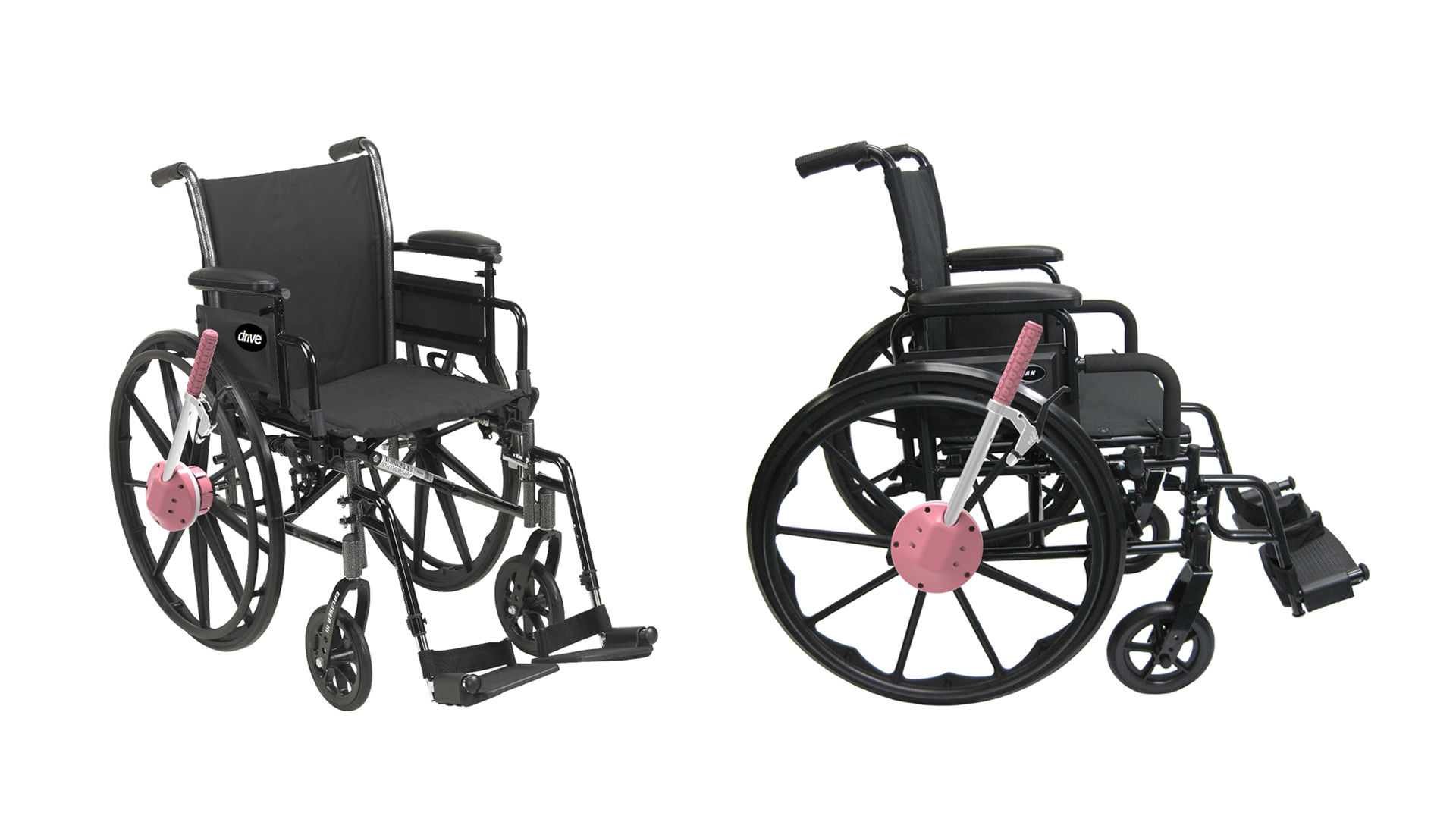
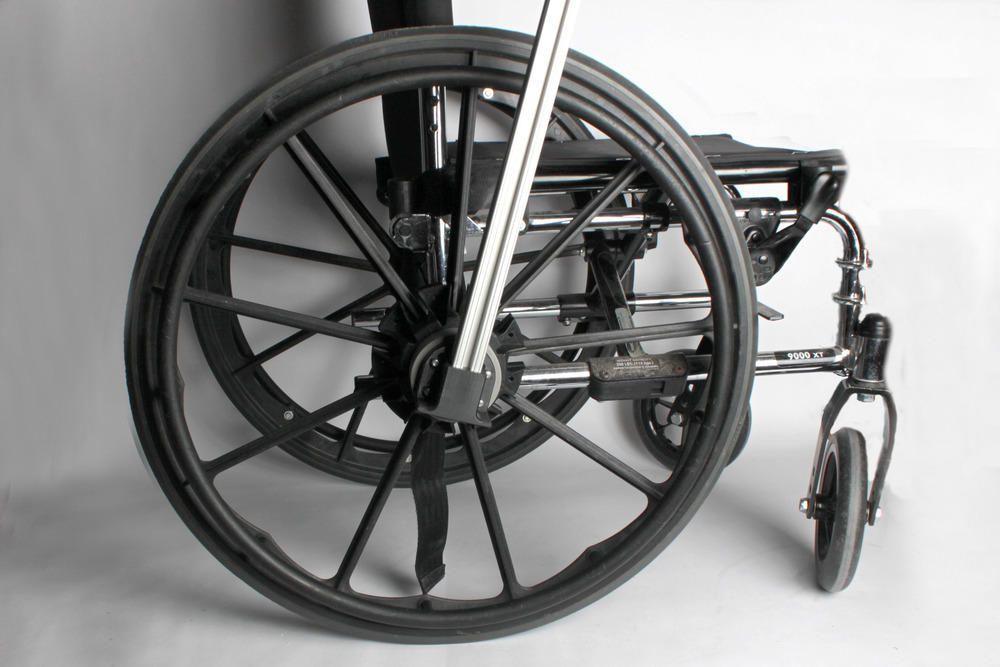
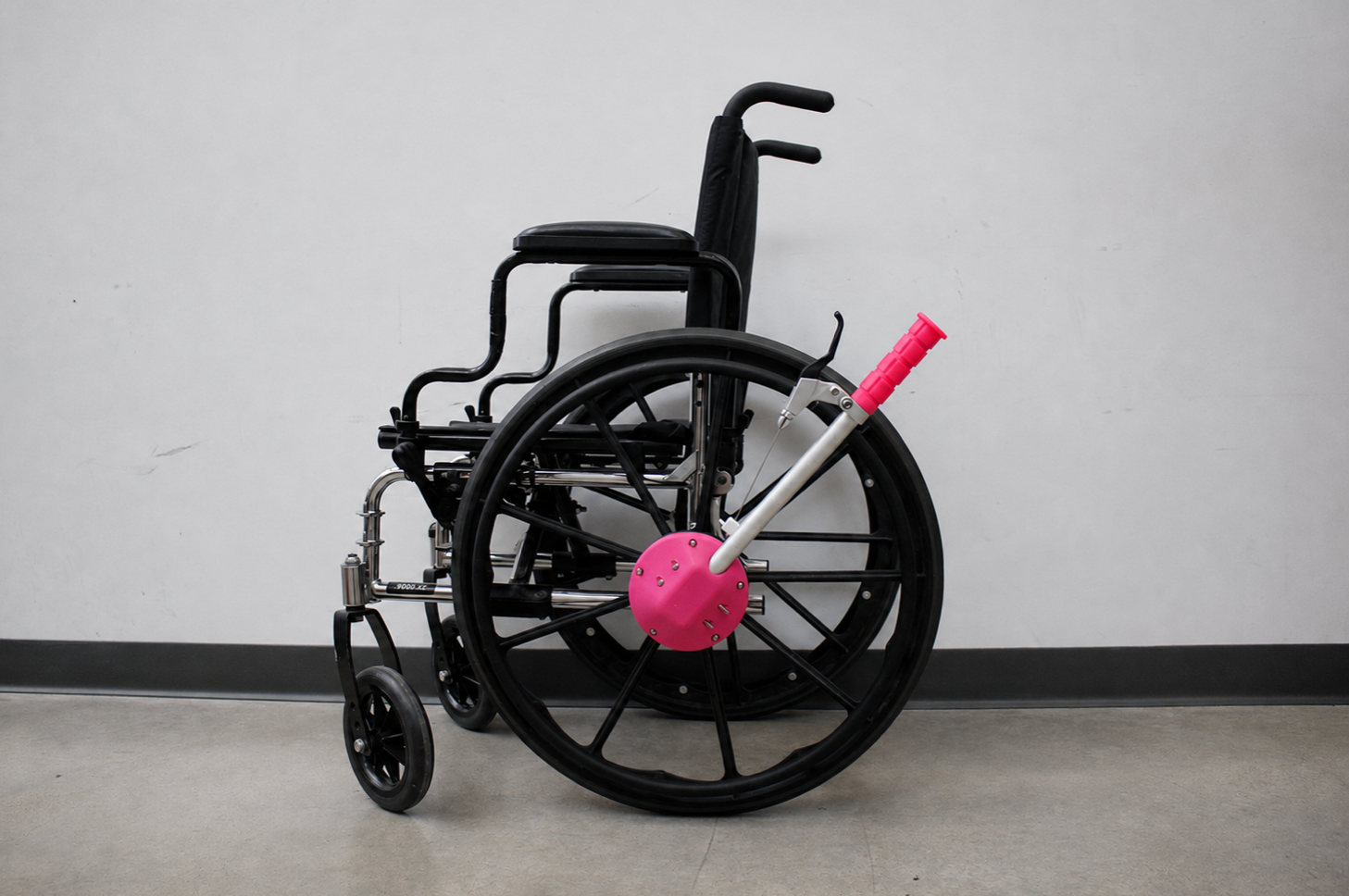
Commercial lever-powered wheelchairs were generally sold as complete specialized chairs. Hand Drive proposed a different model: digitally fabricate an attachment and adapt its mounting components to an existing manual wheelchair.
Contemporary accounts reported that most components could be 3D printed inexpensively, with only a small number of metal parts requiring conventional fabrication. The team estimated an early unit at approximately $40—less than one percent of the prices they encountered for complete commercial lever-drive systems.
Just as importantly, the design was published as open source. Other makers could download the files, revise mounting geometry, adjust the handles, strengthen components, and continue developing the mechanism for different users.
Hand Drive treated affordability not simply as a lower price, but as the ability for other people to understand, reproduce, and improve the design.
Hand Drive
Hand Drive reached audiences far beyond the original studio.
The project was featured by WIRED, selected as a 2015 Hackaday Prize Best Product finalist, and exhibited in Designers, Makers, Users: 3D Printing the Future at the Museum of Design Atlanta. Online publication brought messages from wheelchair users, educators, students, and makers in places including Cambodia, Brazil, and Nepal who wanted to build or adapt the system.
Its continuing value is not that the prototype solved wheelchair propulsion for every person. It demonstrated how lived experience, iterative engineering, and open digital fabrication could make assistive technology more participatory.
More than a decade later, Hand Drive remains an example of young designers taking a real need seriously—and sharing an unfinished but powerful idea so others could carry it forward.