May 13, 2026

What Is Capstone? Inside the Senior Project Experience

No items found.

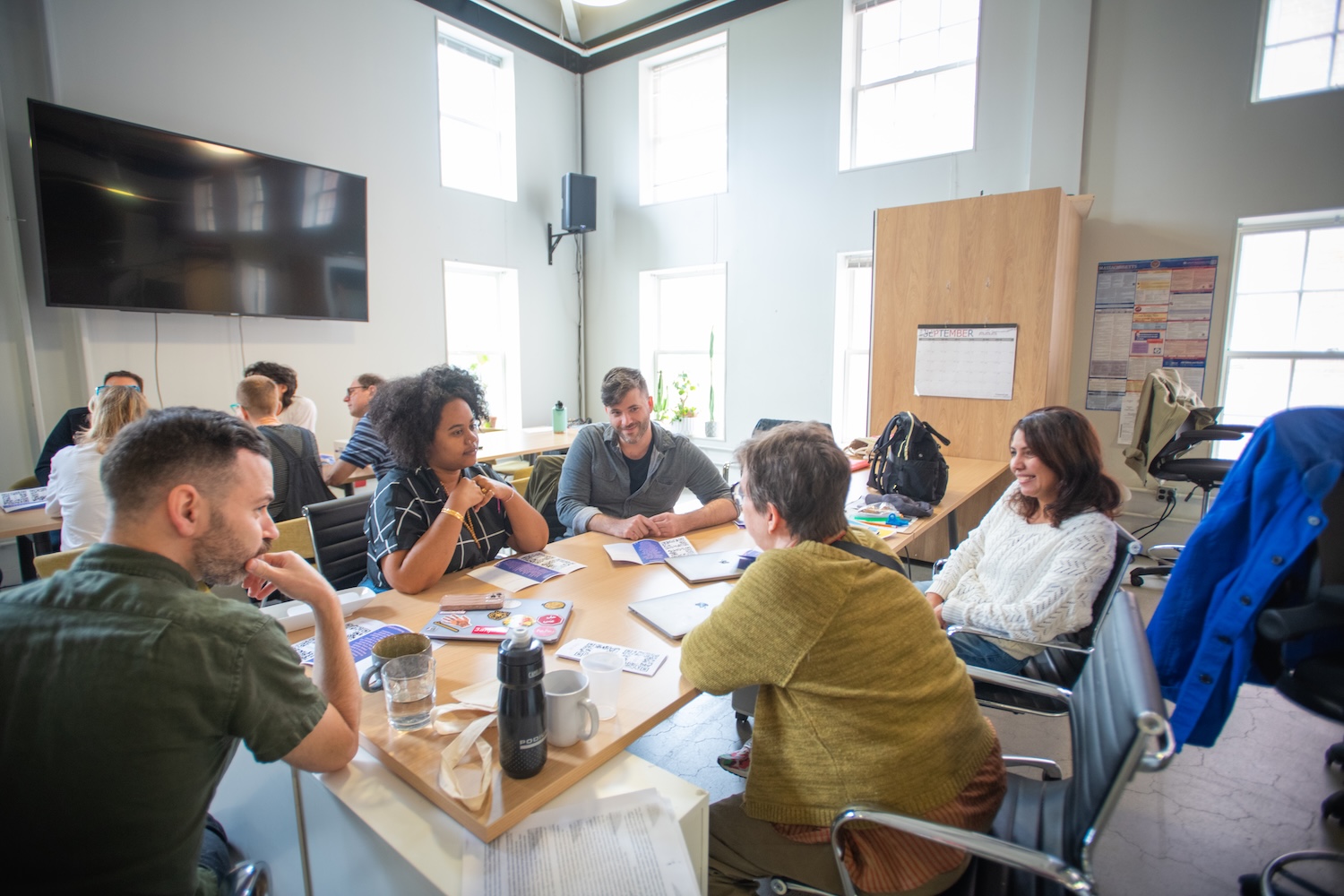
At NuVu High School, seniors spend their final nine weeks immersed in something unlike any other experience in their education: Capstone.

Part thesis, part design studio, part personal reckoning, Capstone asks students to take everything they’ve learned through years of collaborative, interdisciplinary project work and apply it to one deeply personal challenge. There are no teams to lean on. No prescribed answers. Just one student, one question, and the responsibility of bringing an idea to life.

“It’s the culmination of their NuVu career,” says coach Ryan Ferguson. “The goal is that their previous experiences in studios and project work will help them zoom in on a Capstone topic that’s meaningful to them.”

The Capstone framework is divided into three phases: research and data collection; prototyping and testing; and finally, production and storytelling.

Jade working on her Capstone at Artistans Asylum

“Session three focuses on the final deliverable, whatever that happens to be for the project—if it's a physical device, app, or game—they need to figure out how to tell the story of their project in a way the audience will understand,” says Ryan.

The projects themselves span wildly different disciplines. One student developed a retro-inspired hockey video game. Another explored brain-computer interface technology. Yet another designed around the growing movement of digital minimalism among Gen Z. But while the topics differ, the underlying process remains the same: identify a meaningful problem, conduct deep research, iterate relentlessly, and create something authentic.

Capstone, says Ryan, is designed to teach much more than how to complete a project.

“It is deeper in that the student finds something unique to say about a topic and then finds ways to add value to the conversation,” he explains. Just as important is learning how to work independently and manage a long-term project without the structure of a traditional classroom.

Charlie's board game about the alt-right infecting the internet

That independence is often one of the hardest adjustments for students. “Unlike most projects they’ve done previously, they’re not in a group of students,” Ryan explains. Although students work with an advisory team—including coaches who serve as a central support structure, as well as external advisors who are experts in their field—“they're not working in a student team like they're used to,” says Ryan. “So that's a big change.”

For many students, that shift can feel overwhelming at first.

“I found it a challenging because [when working alone] I sometimes had tunnel vision—hyper focused on one idea...That was difficult,” senior Lloyd explained during a group conversation about Capstone.

Senior Andrew, whose project focused on game development, found that working solo forced him to grow in ways group work never had before.

“I learned a lot about the process of making a game by myself,” he said. “The nature of it being a solo project forced me to do a lot of things that maybe I’d had teammates do before.”

That independence often comes with moments of doubt. Ryan says nearly every student eventually “hits a wall” where they question why they chose their topic. Learning to move through discomfort is part of the point.

The experience also pushes students to engage with the world beyond NuVu. Each Capstone student works with outside advisors, researchers, or professionals connected to their field of study.

Senior Jasmine worked with neuroscientist Megan Reitz, whose research directly informed her project on digital spaciousness and minimalism. “She genuinely wrote the book on her idea of spaciousness,” Jasmine said. “She was an incredible resource.”

Andrew met weekly with game design mentors who helped him refine both the technical and creative scope of his project.

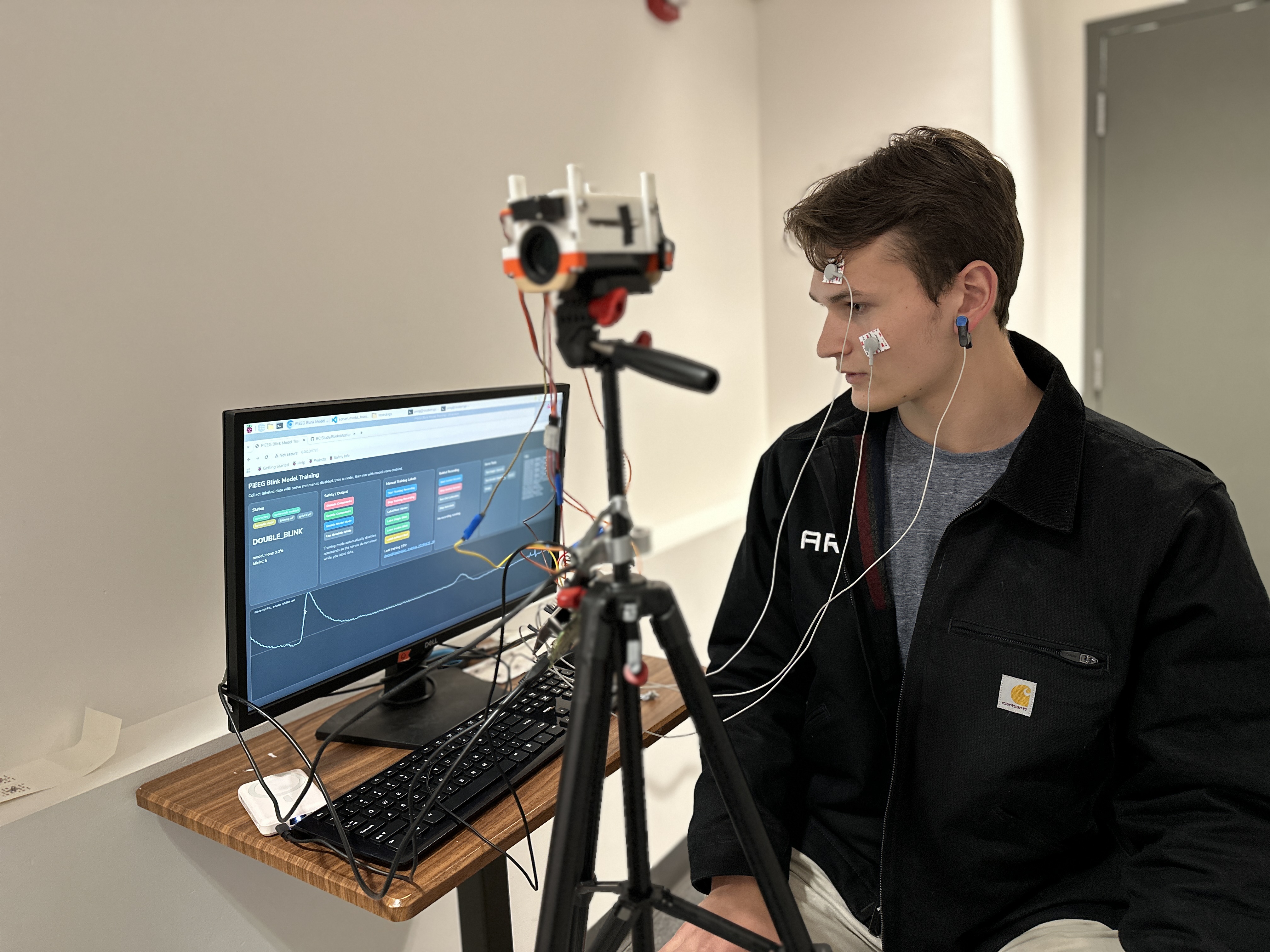
Gabe asked "How quickly do humans adapt to neurally controlled enhancements?"

Ryan believes this willingness to reach beyond the classroom is one of the most important aspects of Capstone. “Asking someone out in the world to be your advisor is kind of scary,” he says. “Finding people to interview is scary. But ultimately we hope students are following a human-centered approach and letting their audience inform the final product.”

The entire experience often changes students themselves.

“The biggest thing that’s changed for me over the past four years at NuVu is how comfortable I am with public speaking,” Jasmine reflected. “I’m confident in the words I’m saying and able to be more assertive.”

Others discovered creative abilities they didn’t know they possessed. Andrew realized during Capstone that he genuinely enjoyed creating art assets for his games—something he had rarely explored before.

Ryan says that, as a coach, the biggest growth he witnessed was how students responded to the evidence gathered through their research. Watching them conduct primary research, speak with stakeholders, users, and experts, and carry out surveys and interviews—then allow those findings to shape their decision-making—was a sign of immense growth.

Prototypes from Lloyd's O & M Training Alternative

“I saw that from several students where they had certain assumptions going into the project, thinking they knew what it was going to be or the type of thing they were going to make, and then had to completely pivot based on what they learned in their research,” he recalls.

For students interested in technical fields, Capstone also becomes a bridge to college and future careers. Gabe, whose project explored neuroscience and emerging technology, said the experience helped him better understand not only the science itself, but also the people he was designing for.

“I was interested in a specific area of tech and I wanted to understand it more because I'm thinking of exploring that in college,” says Gabe. “So I wanted to get a wide understanding of how the tech worked and the biology and science behind it all.”

By the end of the nine weeks, students aren’t simply presenting finished projects. They’re presenting evidence of growth: the ability to research deeply, seek help, communicate ideas, recover from failure, and persist through uncertainty.

“It definitely feels like you’re drowning at the beginning,” Andrew admitted. “But that sink-or-swim moment forced me to do things I’m going to have to do in college.”

And perhaps that’s what Capstone really is at its core: not just a final project, but a final transformation. A moment when NuVu students realize they are capable of directing their own learning, finding their own voice, and building something that matters.

May 13, 2026

What Is Capstone? Inside the Senior Project Experience
At NuVu High School, seniors spend their final nine weeks immersed in something unlike any other experience in their education: Capstone.

Part thesis, part design studio, part personal reckoning, Capstone asks students to take everything they’ve learned through years of collaborative, interdisciplinary project work and apply it to one deeply personal challenge. There are no teams to lean on. No prescribed answers. Just one student, one question, and the responsibility of bringing an idea to life.

“It’s the culmination of their NuVu career,” says coach Ryan Ferguson. “The goal is that their previous experiences in studios and project work will help them zoom in on a Capstone topic that’s meaningful to them.”

The Capstone framework is divided into three phases: research and data collection; prototyping and testing; and finally, production and storytelling.
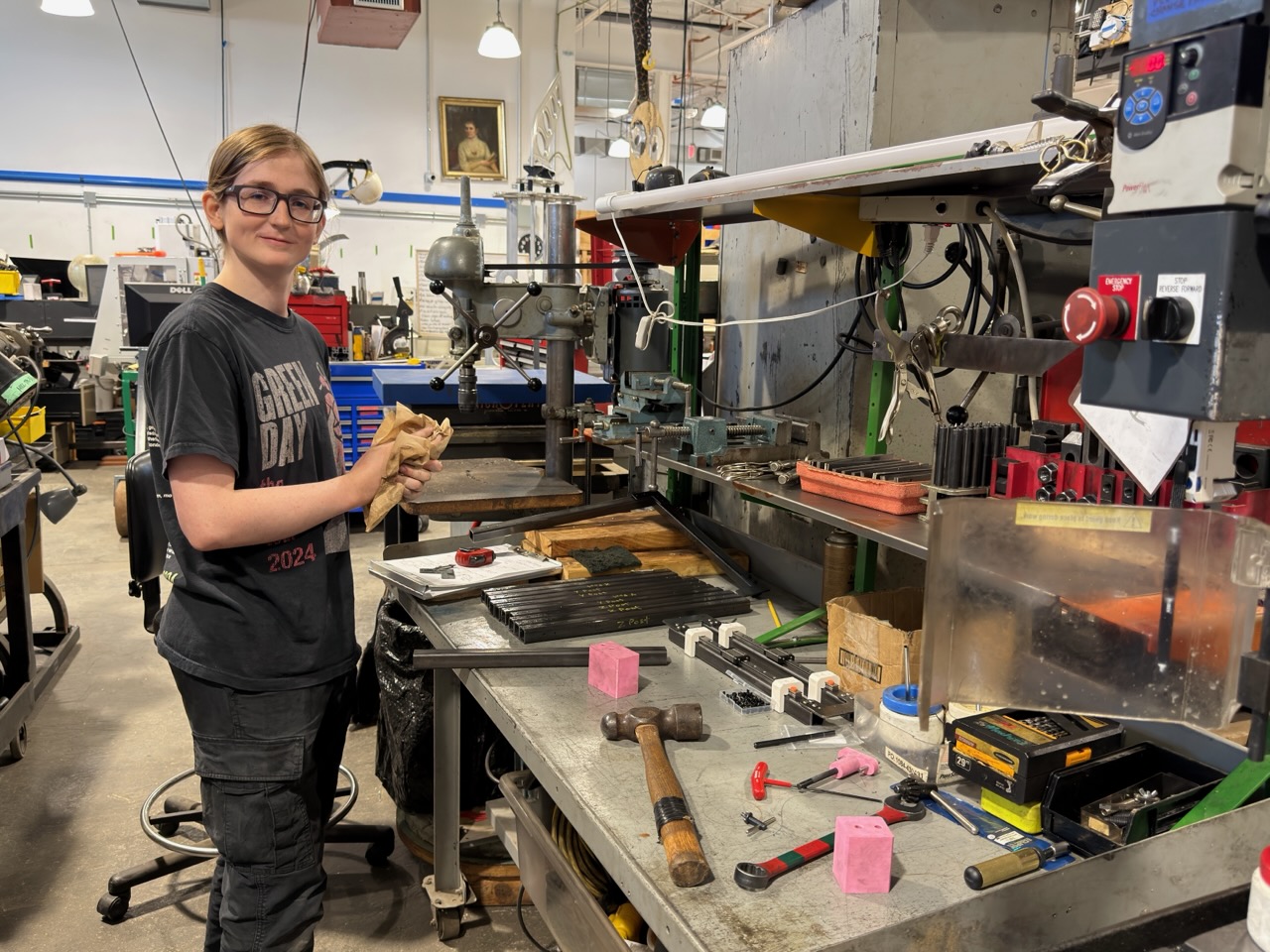
Jade working on her Capstone at Artistans Asylum

“Session three focuses on the final deliverable, whatever that happens to be for the project—if it's a physical device, app, or game—they need to figure out how to tell the story of their project in a way the audience will understand,” says Ryan.

The projects themselves span wildly different disciplines. One student developed a retro-inspired hockey video game. Another explored brain-computer interface technology. Yet another designed around the growing movement of digital minimalism among Gen Z. But while the topics differ, the underlying process remains the same: identify a meaningful problem, conduct deep research, iterate relentlessly, and create something authentic.

Capstone, says Ryan, is designed to teach much more than how to complete a project.

“It is deeper in that the student finds something unique to say about a topic and then finds ways to add value to the conversation,” he explains. Just as important is learning how to work independently and manage a long-term project without the structure of a traditional classroom.
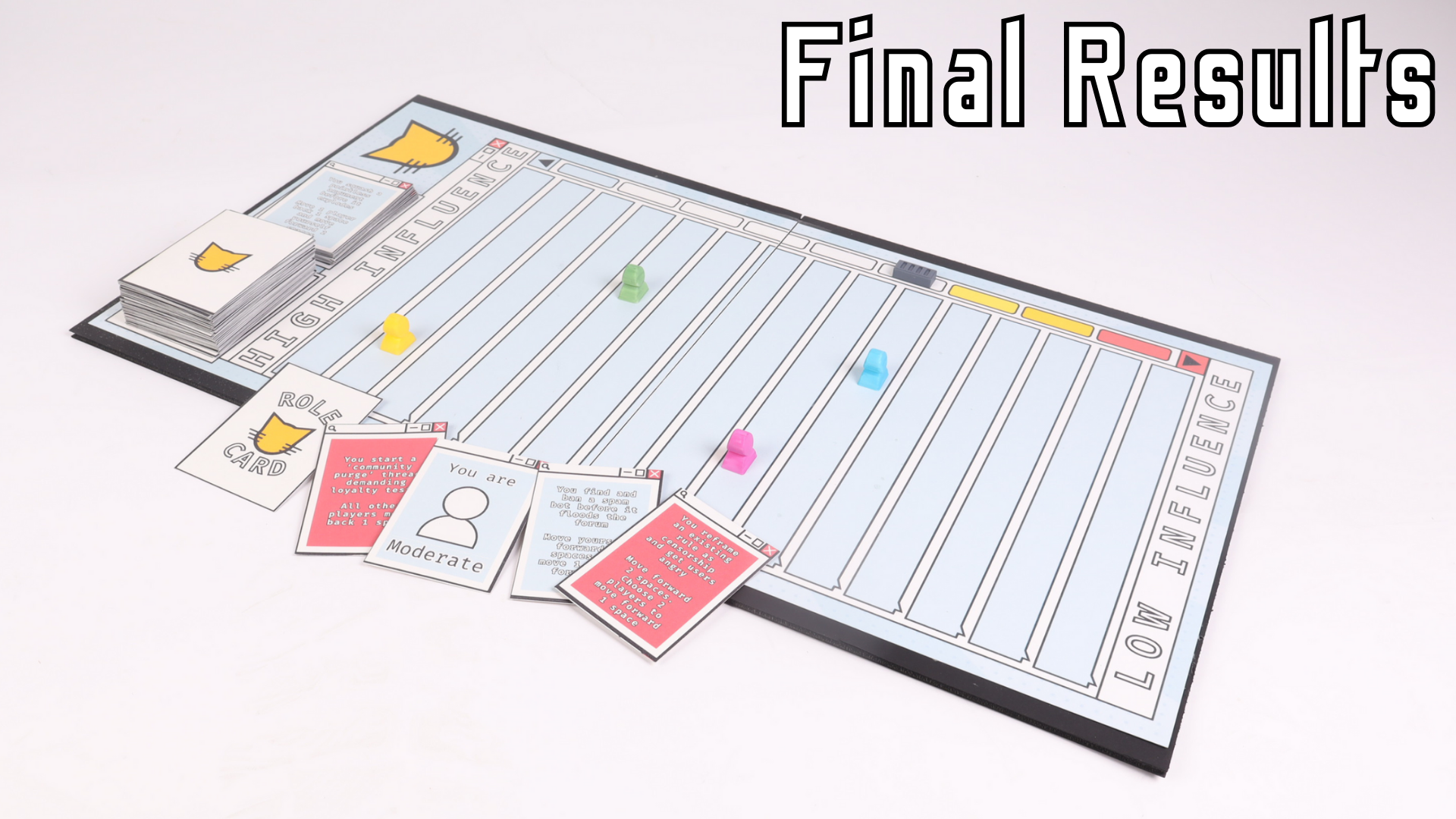
Charlie's board game about the alt-right infecting the internet

That independence is often one of the hardest adjustments for students. “Unlike most projects they’ve done previously, they’re not in a group of students,” Ryan explains. Although students work with an advisory team—including coaches who serve as a central support structure, as well as external advisors who are experts in their field—“they're not working in a student team like they're used to,” says Ryan. “So that's a big change.”

For many students, that shift can feel overwhelming at first.

“I found it a challenging because [when working alone] I sometimes had tunnel vision—hyper focused on one idea...That was difficult,” senior Lloyd explained during a group conversation about Capstone.

Senior Andrew, whose project focused on game development, found that working solo forced him to grow in ways group work never had before.

“I learned a lot about the process of making a game by myself,” he said. “The nature of it being a solo project forced me to do a lot of things that maybe I’d had teammates do before.”

That independence often comes with moments of doubt. Ryan says nearly every student eventually “hits a wall” where they question why they chose their topic. Learning to move through discomfort is part of the point.

The experience also pushes students to engage with the world beyond NuVu. Each Capstone student works with outside advisors, researchers, or professionals connected to their field of study.

Senior Jasmine worked with neuroscientist Megan Reitz, whose research directly informed her project on digital spaciousness and minimalism. “She genuinely wrote the book on her idea of spaciousness,” Jasmine said. “She was an incredible resource.”

Andrew met weekly with game design mentors who helped him refine both the technical and creative scope of his project.

Gabe asked "How quickly do humans adapt to neurally controlled enhancements?"

Ryan believes this willingness to reach beyond the classroom is one of the most important aspects of Capstone. “Asking someone out in the world to be your advisor is kind of scary,” he says. “Finding people to interview is scary. But ultimately we hope students are following a human-centered approach and letting their audience inform the final product.”

The entire experience often changes students themselves.

“The biggest thing that’s changed for me over the past four years at NuVu is how comfortable I am with public speaking,” Jasmine reflected. “I’m confident in the words I’m saying and able to be more assertive.”

Others discovered creative abilities they didn’t know they possessed. Andrew realized during Capstone that he genuinely enjoyed creating art assets for his games—something he had rarely explored before.

Ryan says that, as a coach, the biggest growth he witnessed was how students responded to the evidence gathered through their research. Watching them conduct primary research, speak with stakeholders, users, and experts, and carry out surveys and interviews—then allow those findings to shape their decision-making—was a sign of immense growth.
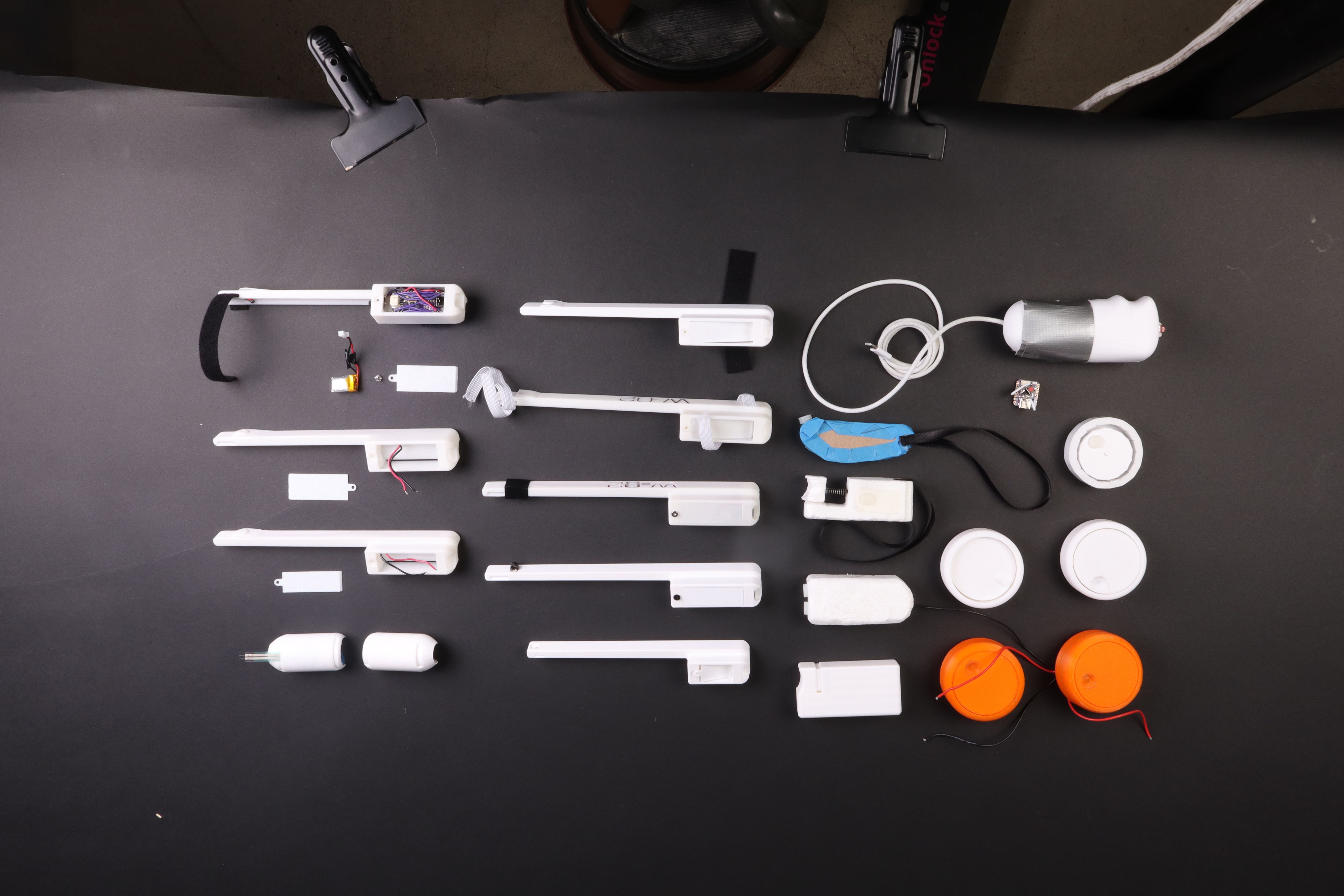
Prototypes from Lloyd's O & M Training Alternative

“I saw that from several students where they had certain assumptions going into the project, thinking they knew what it was going to be or the type of thing they were going to make, and then had to completely pivot based on what they learned in their research,” he recalls.

For students interested in technical fields, Capstone also becomes a bridge to college and future careers. Gabe, whose project explored neuroscience and emerging technology, said the experience helped him better understand not only the science itself, but also the people he was designing for.

“I was interested in a specific area of tech and I wanted to understand it more because I'm thinking of exploring that in college,” says Gabe. “So I wanted to get a wide understanding of how the tech worked and the biology and science behind it all.”

By the end of the nine weeks, students aren’t simply presenting finished projects. They’re presenting evidence of growth: the ability to research deeply, seek help, communicate ideas, recover from failure, and persist through uncertainty.

“It definitely feels like you’re drowning at the beginning,” Andrew admitted. “But that sink-or-swim moment forced me to do things I’m going to have to do in college.”

And perhaps that’s what Capstone really is at its core: not just a final project, but a final transformation. A moment when NuVu students realize they are capable of directing their own learning, finding their own voice, and building something that matters.

To learn more about joining our school, click this button!
Admission