June 2, 2026
Ideas in Motion: Highlights from the 2025–26 School Year
By Saeed Arida
Every year, people ask what students learn at NuVu.
The answer is surprisingly simple: they learn how to work on ideas.
Having an idea is easy. Working on an idea is hard.
It requires taking something incomplete and making it real. It requires critique, experimentation, failure, revision, and persistence. It means sharing your work with others, discovering flaws in your thinking, changing direction, and trying again. And like any skill, it can only be learned through practice.
This year, we saw students practice that process in countless ways.
Some explored political philosophy. Others investigated ecology, mathematics, cryptography, filmmaking, architecture, and game design. The subjects were different, but the underlying challenge was remarkably similar: take a complex idea, develop a point of view, and transform it into something that others can experience.
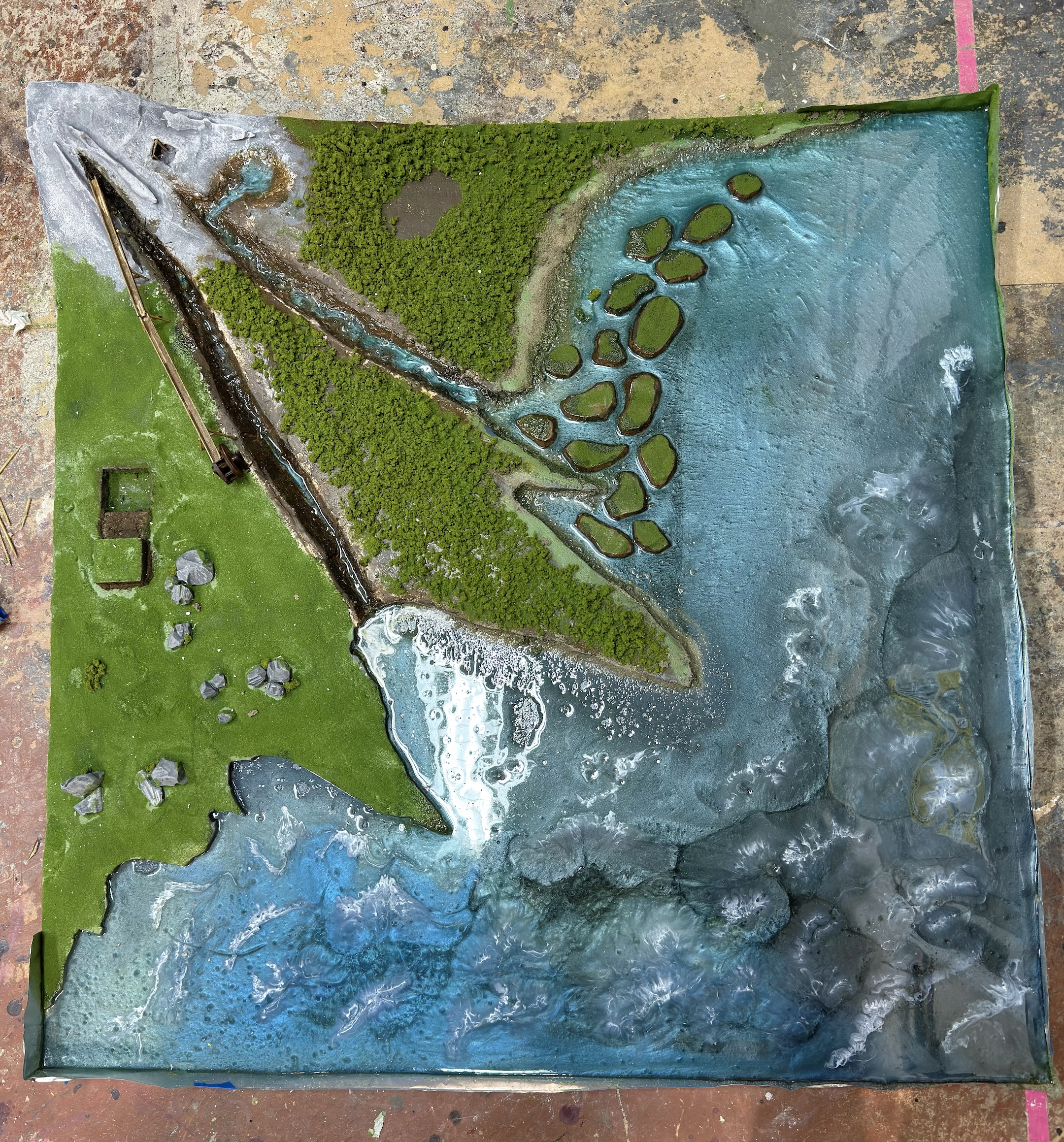
In States of Nature: Political Theory and World Building, students grappled with some of the most enduring questions in human history: What gives governments legitimacy? What responsibilities do citizens have to one another? What does a just society look like?
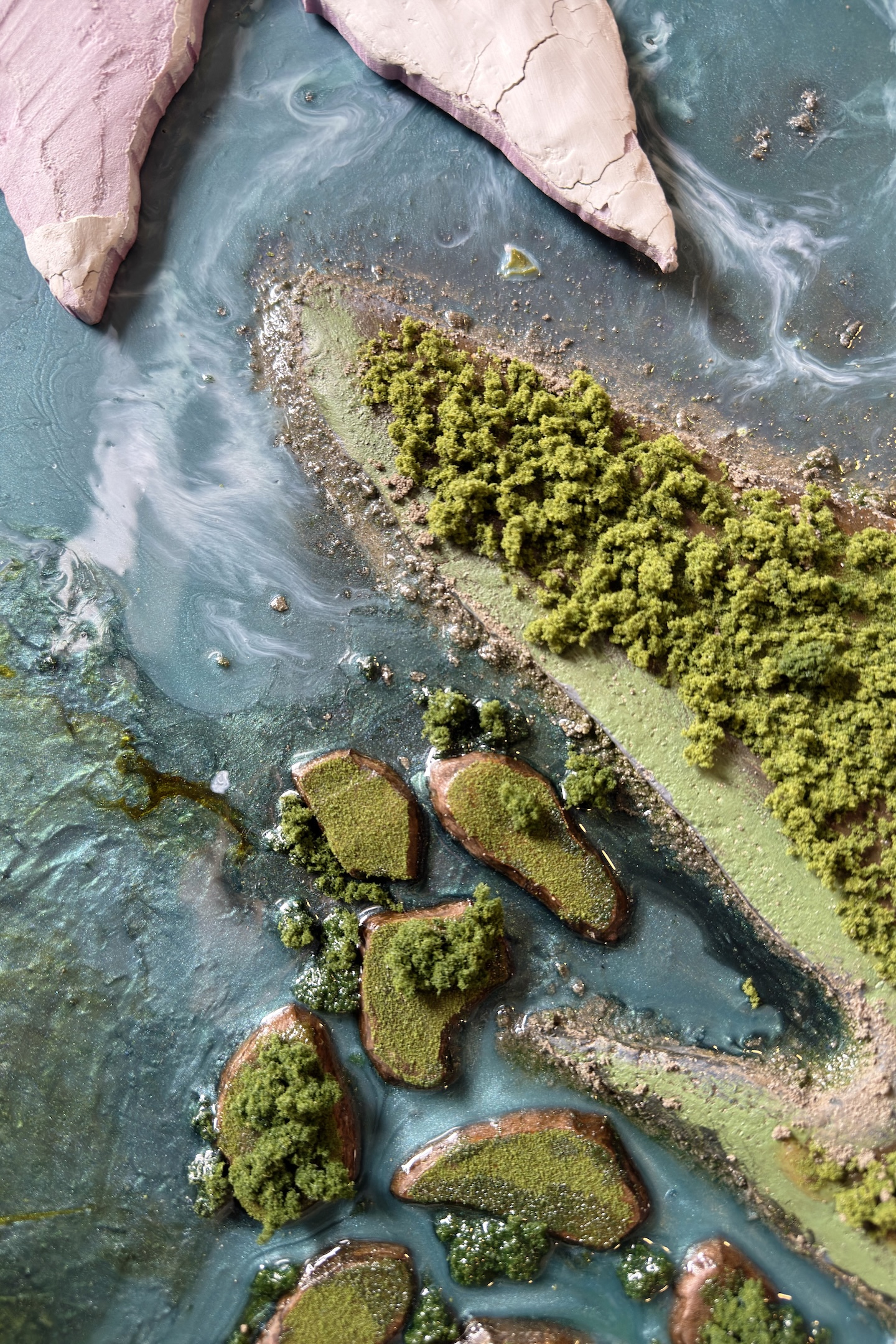
Rather than simply discussing these questions, students built worlds around them. Working in teams, they transformed political theories into fully realized societies, each with its own values, structures, and systems. What made the studio particularly memorable was the degree to which the entire class engaged deeply with difficult ideas and translated them into something tangible, visual, and collaborative.
A similar process unfolded in Robots and Monsters, a science-fiction filmmaking studio. One standout project, Silence of the World, imagined a future in which people have forgotten how to speak with one another. Created by Brenden, Vexx, and Kesariya, the film explored themes of isolation and connection in modern digital culture.
The final product is beautifully shot, thoughtfully written, and skillfully edited. But what stands out most is the process behind it. The students worked well beyond studio hours, coordinated resources independently, and pushed through multiple rounds of revision to bring an ambitious vision to life. The result is a powerful reminder that compelling ideas rarely emerge fully formed; they are developed through persistence and collaboration.
Other projects approached this process from entirely different angles.

In Politics on Your Plate, students used historical research and storytelling to explore the relationship between food, culture, and power. In Math Meets Machine, students transformed mathematical concepts into interactive learning experiences, demonstrating that mathematics can be a medium for creativity as much as computation. In Ecological Intelligence, students investigated environmental systems and developed interventions that revealed the complex relationships between humans, technology, and nature.
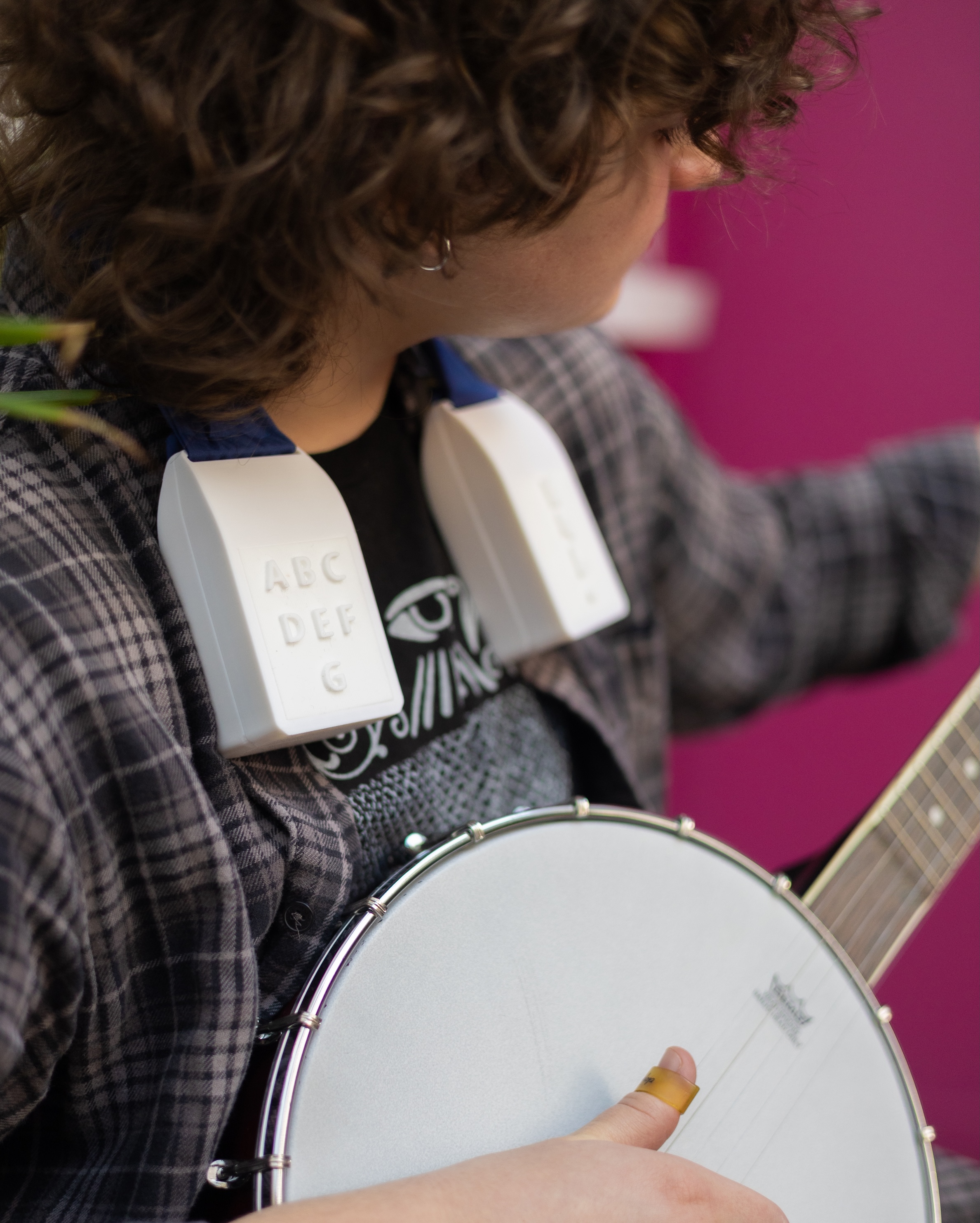
Projects like Tactile Tuner and Lloyd’s Capstone highlighted another essential dimension of innovation: empathy. Through user research, prototyping, testing, and iteration, students learned that meaningful solutions begin with a deep understanding of the people they are designed to serve.
Looking across these projects, a common pattern emerges.
An idea appears.
It is shared.
It is challenged.
It changes.
It improves.
And then it changes again.
This cycle sits at the heart of the studio model. Critique is not an evaluation of finished work. It is an opportunity to see an idea differently. A peer, coach, or expert introduces a new perspective, asks a difficult question, or reveals an unseen possibility. Students then return to their work with a deeper understanding and continue the process.
By the end of the year, students have acquired technical skills, built portfolios, and produced impressive outcomes. But beneath all of that lies something even more important.
They have learned how to work on ideas.
In a world where information is abundant and answers are increasingly accessible, the ability to develop an idea—to shape it, test it, refine it, and bring it into existence—may be one of the most important skills a young person can acquire.
This year’s projects are a reminder that innovation is not a talent reserved for a few. It is a practice. And every day in the studio, students are learning how to do it.